- SPECIAL DISCOUNT
- 10% OFF on Full Home Recommendations + Free Consultation
- Excludes insulation services
- Contact Us
- Must mention at the time of booking

Your Guide To Mud Sparrow Removal
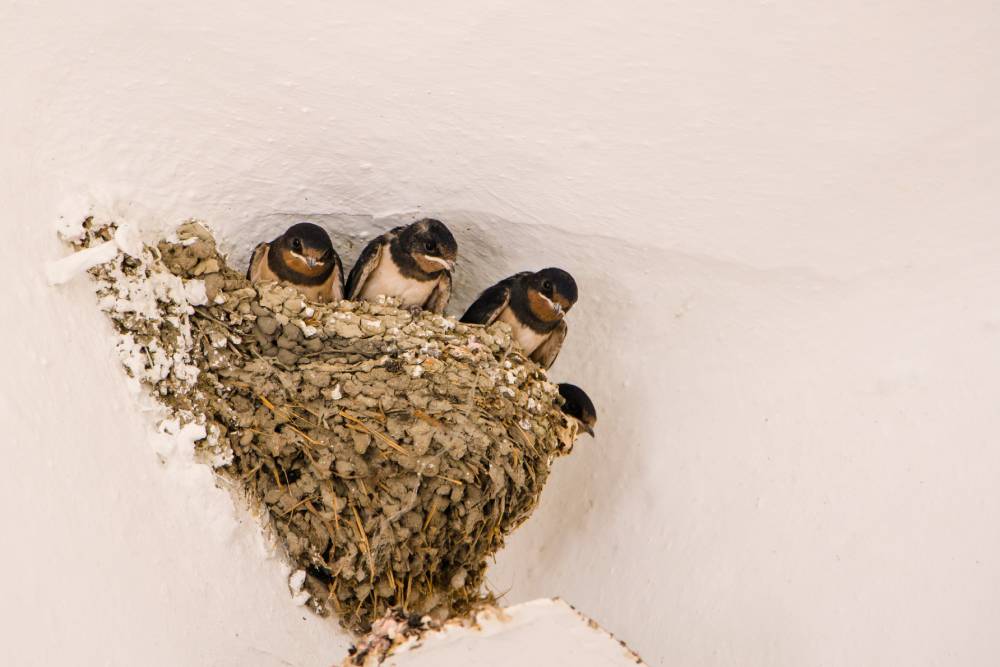
If you notice clumps of mud forming on the edge of your home’s roof, you may have mud sparrows, also known as cliff swallows, building on your home.
These birds will come back year after year. While these birds may look harmless, they can cause various structural issues to your home. If mud sparrows have chosen your home, early action can make all the difference.
Best Pest & Wildlife Control specializes in humane bird removal and bird control services designed to stop nesting activity and prevent future return.
Why Mud Sparrows Choose Homes
Mud sparrows are drawn to vertical walls with protective overhangs. Roof eaves, porch ceilings, and commercial awnings provide ideal shelter from wind and predators.
They gather mud pellets and build tightly packed nests that cling to siding, stucco, brick, or concrete. These nests harden as they dry, forming sturdy, semi-permanent structures.
Homes offer three major advantages: elevated nesting spots, warm surfaces, and protection from heavy rain. Once a colony establishes itself, additional nests often appear nearby. What begins as one small mud cup can turn into a cluster of nests within weeks.
The Problems Mud Nests Create
While mud nest buildup may seem like a minor problem at first, over time, several critical issues will start to develop.
Structural staining and damage
Mud attaches firmly to exterior surfaces. As nests age, moisture from rain and droppings can stain siding and weaken painted finishes.
Accumulated droppings
Bird waste builds up below nesting areas. This can damage patios, entryways, vehicles, and outdoor furniture. Droppings also create odor and slippery surfaces.
Parasites and insects
Old nests may harbor mites, flies, and other pests. Once birds leave, these insects can migrate into nearby living spaces.
Recurring seasonal return
Mud sparrows are known to return to familiar nesting spots. If nests are not addressed properly, the cycle repeats year after year.
Are Mud Sparrows Protected?
In many regions, migratory birds fall under federal or state protections. Active nests containing eggs or chicks may not be legally removed without proper timing and method.
That makes professional evaluation important.
Removing nests during the wrong season can lead to legal issues and unintended harm to wildlife. A wildlife removal service understands local regulations and safe removal windows.
Why Quick DIY Removal Often Fails
Some homeowners knock down nests as soon as they appear. Unfortunately, this approach rarely solves the problem. If mud sparrows are actively building, they will rebuild quickly. In some cases, they reconstruct a nest within days.
Without addressing why the birds chose that location, removal becomes a repeating task. Effective resolution focuses on exclusion, not just cleanup.
The Right Way to Remove Mud Sparrows
Successful mud sparrow removal involves several steps.
1. Inspection of Nesting Sites
A thorough inspection by a bird control service identifies:
- Active nests
- Entry points under eaves
- Surfaces vulnerable to reattachment
- Nearby roosting spots
This evaluation determines the safest time and strategy for removal.
2. Safe Nest Removal
Experts carefully remove inactive nests using proper tools and safety equipment. Active nests require timing that aligns with wildlife protection guidelines.
Simply scraping mud from the wall without assessing nest status can cause complications.
3. Cleaning and Surface Treatment
After removal, affected areas must be cleaned to remove residue and droppings. In some cases, surface repairs or repainting may be necessary to prevent staining from setting permanently.
4. Installing Deterrents and Barriers
Long-term control relies on physical deterrents. These may include:
- Bird netting under eaves
- Sloped surface modifications
- Visual or structural deterrent systems
The goal is to make the site unattractive for future nesting.
Why Exclusion Is the Long-term Solution
Mud sparrows return to familiar nesting spots because those locations worked once before. If nothing changes about the structure, birds view it as suitable habitat.
Exclusion modifies the environment so nesting becomes difficult or impossible. That step stops the cycle rather than temporarily disrupting it. Professional wildlife exclusion services are particularly helpful for commercial properties where repeated cleanup becomes costly and disruptive.
Health and Sanitation Concerns
The droppings from mud sparrows can be a health and sanitation issue. Accumulated waste can contain bacteria and fungal spores. When droppings dry and break apart, particles may become airborne near entryways or outdoor seating areas.
Homes with heavy nesting activity often develop strong odor below the eaves. Over time, droppings can corrode metal fixtures and stain concrete surfaces. Cleaning large accumulations without proper equipment can expose homeowners to contamination.
Call for Humane Bird Removal & Long-term Deterrents
Mud sparrows may be part of the natural landscape, but your home does not need to double as a nesting colony. At Best Pest & Wildlife Control, we specialize in humane bird control and structural exclusion. Serving homes and businesses across the Western United States, we assess the nesting site, remove inactive nests safely, and implement deterrent systems that prevent repeat activity.
If mud is collecting under your eaves or droppings are appearing below your roofline, schedule a free inspection. Acting early protects your home’s appearance and stops seasonal return before it begins.
CONTACT US FOR A FREE QUOTE
Feel free to give us a call or send us an email with any questions or comments you have.