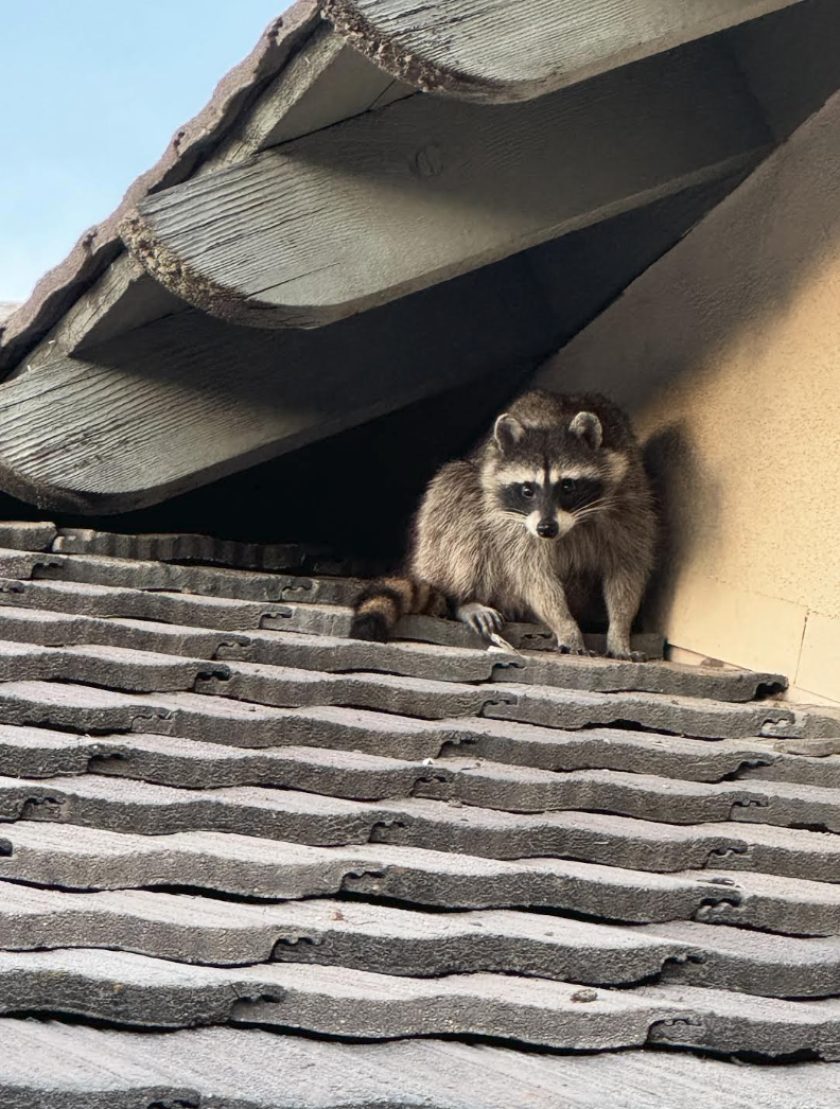
Removing an animal is only half the job. If the gap it used to get in stays open, something else moves in within weeks, which is why exclusion is the part of the process that actually prevents repeat calls.
Why Exclusion Is the Permanent Fix
A one-time treatment addresses the animal present right now. Exclusion addresses the structural weak point that let it in, using materials strong enough to resist chewing, clawing, and digging from whatever shows up next. Skipping this step is the single most common reason a resolved wildlife problem comes back within a year.
What Our Exclusion Service Includes
We inspect the full exterior for gaps at rooflines, vents, chimneys, and foundations, then seal each one with the right material for that location, from heavy-gauge mesh to steel flashing. Every exclusion job is paired with the species removal needed first.
The Entry Points We Check Most Often
Roofline gaps, damaged soffits, broken vent covers, chimney caps, and foundation vents account for the large majority of the wildlife entries we find, along with gaps created by utility lines and plumbing penetrations. Older homes tend to have more of these weak points simply from age and settling, which is why we treat every exclusion job as its own inspection rather than a standard checklist.
Materials are chosen for the specific opening, not applied uniformly, since a gap at a roofline needs something different than a foundation vent sized for airflow. We also check for gaps that look minor but aren’t, a half-inch opening is more than enough for a mouse, and a slightly larger one is enough for something far bigger to squeeze through.
We provide exclusion work across Arizona, California, Colorado, and New Mexico, typically alongside removal for Bats, Raccoons, and Squirrels.