- SPECIAL DISCOUNT
- 10% OFF on Full Home Recommendations + Free Consultation
- Excludes insulation services
- Contact Us
- Must mention at the time of booking

Wildlife In Government Offices (And How Pest Control Services Can Help)
Quick Summary
Government offices deal with the same pest pressures as any commercial building, but wildlife like birds, raccoons, and bats often falls outside the scope of a standard pest control contract. This page covers why that gap exists, what wildlife issues tend to show up in public buildings, and how a specialized removal service fits into a facility’s broader pest management program.
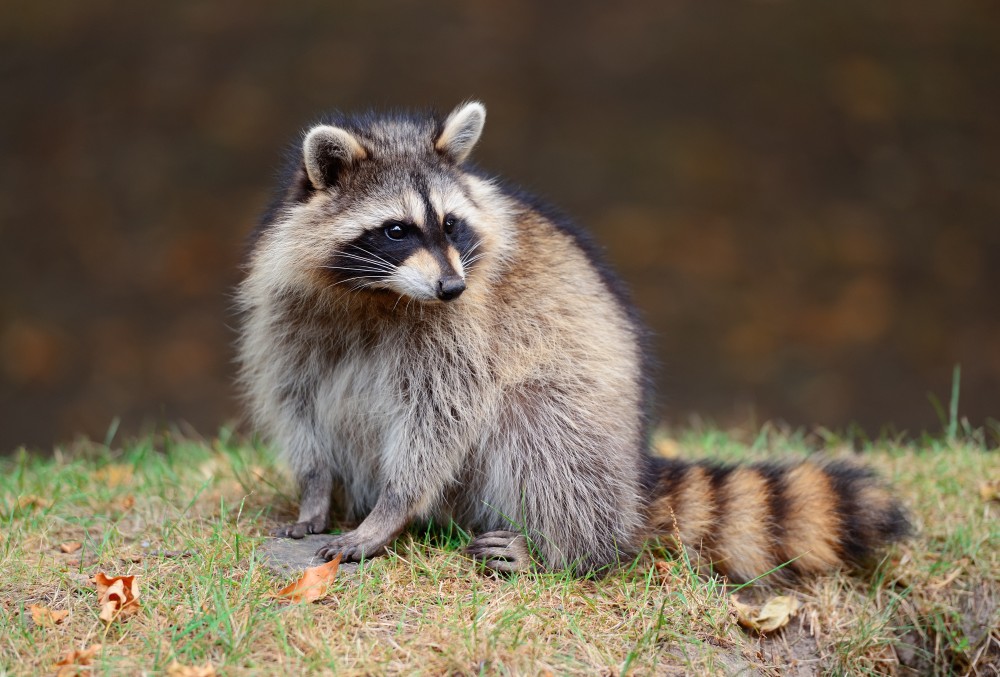
A city hall, courthouse, or county office building faces pest pressures that look a lot like any other commercial property, with one important difference: wildlife problems often slip through the cracks. Most government pest control contracts are written to cover insects and rodents, since those categories account for the bulk of routine service calls, but birds nesting on a ledge or raccoons denning in an older roofline frequently fall outside that scope entirely.
Professional wildlife removal fills that gap for facility managers who discover the hard way that their existing contract does not cover every animal that shows up. We put this guide together to explain where that gap comes from and how it typically gets addressed.
Common Wildlife Issues in Government Buildings
Older government buildings, courthouses, and public offices often have architectural features that make them attractive to wildlife, including ledges, cornices, and rooflines that offer birds an easy place to nest. Pigeons and sparrows are among the most frequent visitors, along with raccoons and squirrels that take advantage of gaps around aging rooflines or utility penetrations.
Bats sometimes roost in attic spaces or bell towers of historic municipal buildings, and rodents move in through the same entry points that draw them to any commercial structure. Public-facing buildings add an extra layer of concern, since visible wildlife activity affects how the public perceives a facility.
Why Standard Pest Contracts Often Miss Wildlife
Many pest control contracts for public buildings are written around Integrated Pest Management standards that specifically address rodents, insects, and arachnids. Birds, bats, and other vertebrate wildlife are frequently excluded from these contracts entirely, since general pest control licensing and wildlife removal require different certifications and methods.
A facility manager who assumes their existing pest contract covers every animal on the property is often surprised to learn otherwise once a bird problem or a raccoon in the attic actually shows up. This gap is one of the more common reasons government facilities end up needing a second, specialized contractor.
The Unique Challenges of Servicing Government Facilities
Public buildings come with operational considerations that private commercial properties do not always face. Service visits typically need to work around business hours, public access, and sometimes security clearance requirements before a technician can even reach an affected area.
Wildlife control services that work with government clients build scheduling and documentation into the process from the start, since most facilities require detailed service reports for their own records and compliance needs. Historic buildings add another layer, since repairs and exclusion work sometimes need to preserve the appearance of the structure rather than using standard materials.
How Professional Wildlife Removal Fits into Compliance
A pest management program built around IPM principles favors non-chemical solutions, careful documentation, and treatments that minimize disruption to building occupants. Wildlife removal fits naturally into that framework, since humane trapping and exclusion work rely on the same inspection-first, least-disruptive approach that IPM already prioritizes.
Exclusion services that seal entry points after removal support long-term compliance goals as well, reducing the chance that the same wildlife issue reappears and triggers another service call outside the scope of a standard contract.
Preventing Wildlife from Returning to Public Buildings
Government buildings benefit from the same prevention principles as any other property, though the scale can be larger given the size of many public facilities. Sealing gaps around rooflines, securing dumpster and waste areas, and addressing standing water near entrances all reduce the conditions that draw wildlife in.
Facility managers benefit from pairing wildlife removal with this kind of follow-up work, since a sealed, well-maintained building is far less likely to see repeat activity from the same species.
Let Best Pest & Wildlife Control Handle Wildlife At Your Facility
Wildlife problems do not stop just because a pest control contract does not cover them. At Best Pest & Wildlife Control, we work with facility managers to handle the birds, raccoons, bats, and other wildlife that standard pest contracts frequently leave out, using humane removal methods and detailed documentation your facility can use for its own records.
Our technicians bring over 15 years of experience to public and commercial properties across Arizona, California, Colorado, and New Mexico, backed by full state licensing and a fully insured team. Reach out today to schedule a consultation and get a plan built around your facility’s specific needs.
Contact us today or call (866) 692-1793 to get started.
FAQs
Does a standard pest control contract cover wildlife like birds or raccoons?
Not usually. Most public-sector pest contracts are built around IPM standards focused on rodents and insects, with birds, bats, and other vertebrate wildlife typically excluded and requiring a separate specialized contractor.
How does wildlife removal work around a government facility’s public hours?
Service visits are typically scheduled to avoid disrupting normal operations, with work outside business hours coordinated in advance. Documentation of each visit is provided to support the facility’s own compliance records.
Can wildlife exclusion work be done on a historic government building?
Yes, though it often requires materials and methods chosen to preserve the building’s appearance rather than standard repairs. A technician familiar with these considerations can adjust the approach accordingly.
CONTACT US FOR A FREE QUOTE
Feel free to give us a call or send us an email with any questions or comments you have.