- SPECIAL DISCOUNT
- 10% OFF on Full Home Recommendations + Free Consultation
- Excludes insulation services
- Contact Us
- Must mention at the time of booking

Why Is Wildlife Removal Important?
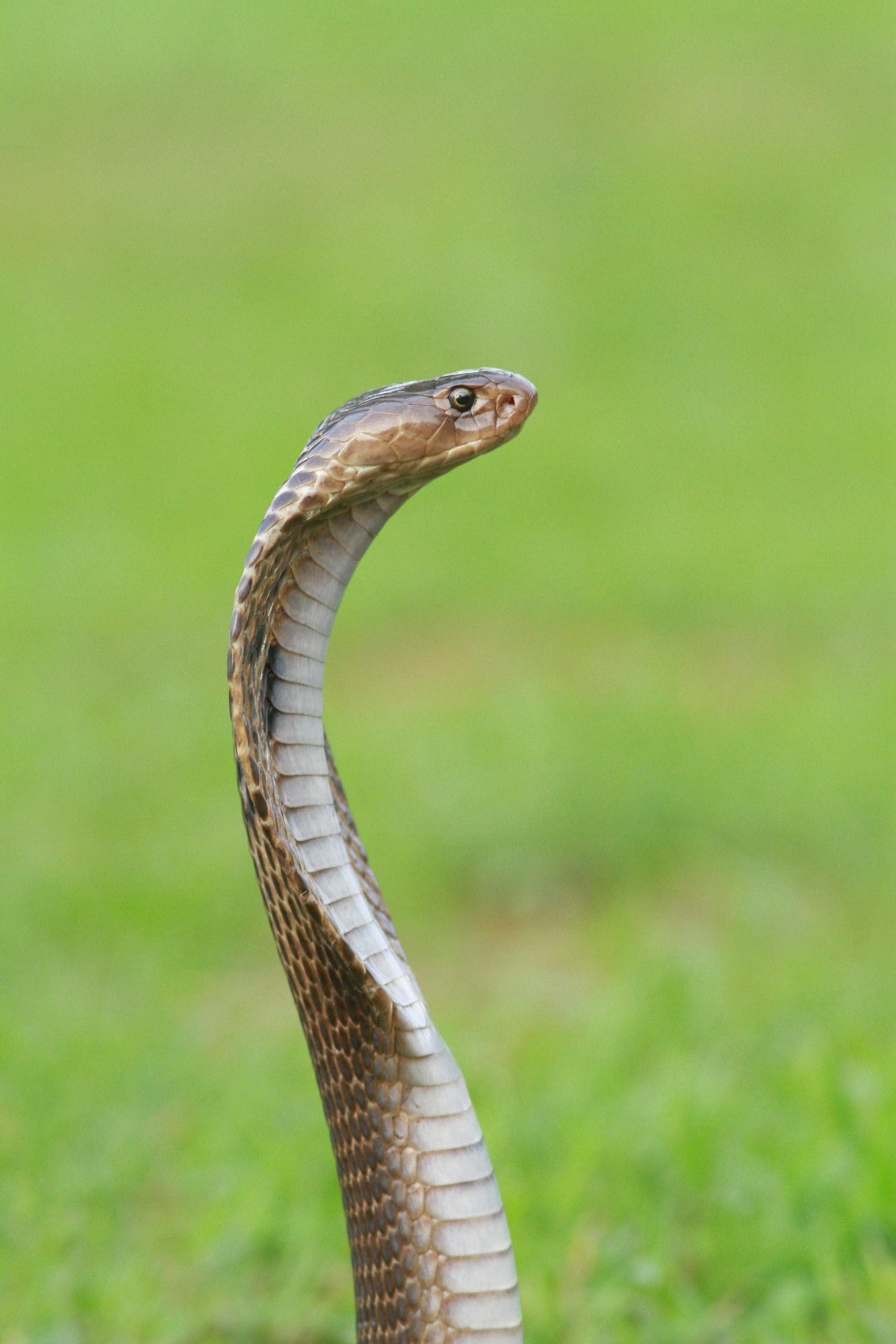
Wild animals are part of a healthy ecosystem, but problems begin when they move into attics, crawlspaces, chimneys, or wall voids. The goal of wildlife removal is not conflict with nature, but calm, ethical separation between homes and habitats. Done right, it protects people, pets, and property while respecting the animals’ role outdoors.
Health Risks You Can’t Ignore
Wildlife intrusion brings droppings, urine, and parasites into living areas, which can impact indoor air and trigger illness. Bats, raccoons, and rodents may carry pathogens, and their waste can aerosolize during normal household activity. Prompt, humane removal followed by sanitation lowers exposure, restores safe conditions, and helps keep shared spaces healthy.
Stopping Damage Before It Spreads
Gnawing, nesting, and burrowing can compromise wiring, insulation, and roof assemblies. Squirrels chew conductors, raccoons tear ducts and batts, and birds clog vents that should move air. Every day an intrusion continues, repair costs rise, from insulation replacement to odor control and sometimes electrical hazards that demand urgent attention.
Humane Methods Protect Wildlife and People
Ethical removal focuses on exclusion and one‑way devices that let animals leave and block reentry. This approach reduces stress on the animals, avoids orphaning young during sensitive seasons, and prevents risky close encounters in tight spaces. It also avoids secondary poisoning risks to pets and non‑target species that follow from indiscriminate toxicants.
Legal and Ethical Compliance
Many species have protections that limit handling, timing, and methods. Wildlife and pest control services understand local rules, seasonal restrictions, and documentation standards for humane practices. Compliant work avoids fines, protects sensitive wildlife, and keeps the focus on lasting solutions rather than short, risky shortcuts.
Exclusion: The Foundation of Lasting Results
Removal without sealing is a revolving door. Effective programs identify and close quarter‑inch gaps at soffits, gables, vents, chimneys, roof returns, and utility penetrations. Hardware cloth, metal flashing, and copper mesh paired with durable sealants turn easy passages into dead ends. With entry points shut, activity drops and the space stays quiet.
Sanitation and Odor Control Matter
After animals leave, the attic or crawlspace still carries scent trails and contaminants that attract the next guest. Pest cleanup and remediation teams remove soiled insulation, vacuum with HEPA filtration, disinfect contact surfaces, and neutralize odors with enzyme or oxidizing treatments. This resets the space and reduces the chance of re‑colonization driven by residual scent.
Protecting Indoor Air Quality
Intrusions compromise air pathways that feed living rooms and bedrooms. Dust from droppings, dander, and nesting can migrate through gaps in the ceiling plane. Post‑removal sealing and correct ventilation restore clean airflow and reduce allergens recirculating through ducts, returning comfort and clarity to day‑to‑day life.
Preventing Fire and Water Risks
Chewed wires raise arc potential, while shredded vapor barriers and disconnected ducts push humid air onto cold sheathing. Wildlife removal paired with basic building‑science fixes helps avoid these twin risks. The result is fewer condensation stains, steadier humidity, and electrical systems that are not quietly being damaged in the dark.
Protecting Pets and Children
Humane strategies reduce the chance of dangerous confrontations in garages, attics, and yards. Avoiding poisons and focusing on trapping or one‑way exits keeps toxic baits out of reach. Clear protocols during service visits set safe reentry times and keep families informed about any areas that need temporary avoidance.
Seasonality and Timing
Spring and early summer bring denning and nesting, which calls for careful timing to avoid trapping young inside. Late fall and winter drive shelter‑seeking, especially around rooflines and chimneys. Acting quickly means smaller colonies, lighter cleanup, and fewer structural repairs, with strategies tailored to species and season.
What a Strong Wildlife Plan Includes
- Full inspection with photos and a list of entry points.
- Humane removal via one‑way devices or targeted trapping.
- Exclusion repairs at vents, soffits, chimneys, and penetrations.
- Sanitation, odor neutralization, and debris removal.
- Ventilation checks and, if needed, insulation replacement.
- Follow‑up visits that confirm quiet nights and no fresh activity.
Good For You and the Ecosystem
Keeping animals out of living spaces is compatible with a healthy environment. Ethical removal returns wildlife to the outdoors, minimizes chemical footprints, and preserves beneficial species like bats that reduce insect pressure. Your home becomes calmer, cleaner, and safer, while nearby habitats continue to thrive.
Best Pest & Wildlife Control: Fast and Ethical Wildlife Help
Turn today’s pest problem into peace of mind with Best Pest & Wildlife Control. As a local, fully insured team, we blend humane techniques with clear communication, fair pricing, and expert exclusion to stop re-entry and restore your space. Serving the Denver metro and Front Range communities in Colorado, the greater Phoenix and Scottsdale areas in Arizona, and San Diego County in California, our tailored plans cover homes and businesses with attic restoration, sanitation, and wildlife eviction.
Ready to get started? Schedule your free home inspection today.
CONTACT US FOR A FREE QUOTE
Feel free to give us a call or send us an email with any questions or comments you have.