- SPECIAL DISCOUNT
- 10% OFF on Full Home Recommendations + Free Consultation
- Excludes insulation services
- Contact Us
- Must mention at the time of booking

Who To Call To Remove Birds From Your Attic In Phoenix, AZ
Quick Summary
That fluttering and chirping coming from above the ceiling isn’t just an annoyance, it’s a sign birds have found a way into your Phoenix home. If you’ve been searching for who to call to remove birds from attic spaces, the answer is a licensed wildlife control service in Phoenix rather than a general handyman or a DIY trap from the hardware store.
Bird removal comes with legal rules most homeowners aren’t aware of, and getting it wrong can turn a simple nest into a bigger headache.
Why Birds Nest in Phoenix Attics
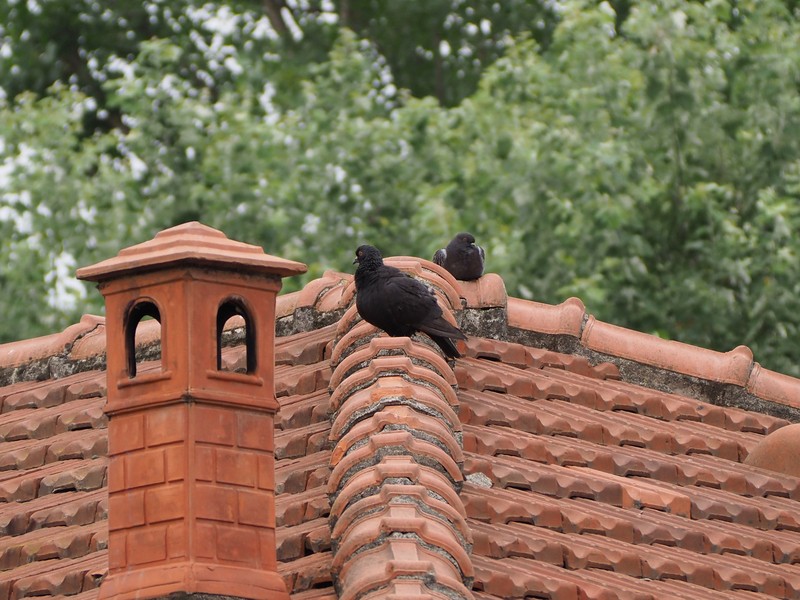
Phoenix attics offer birds nearly everything they look for in a nesting spot: warmth, shelter from predators, and protection from the desert heat and monsoon storms alike. Gaps around roof tiles, vents, and eaves give smaller birds like sparrows and starlings an easy way in, while pigeons often settle into wider openings around chimneys or rooflines. Once a pair successfully raises a brood in an attic, the same location tends to draw repeat nesting attempts year after year unless the entry point gets closed off for good.
Spring and early summer bring the busiest nesting activity across the Phoenix metro, as birds take advantage of milder temperatures before the peak of summer heat sets in. Homes with mature trees nearby often see more bird traffic overall, since trees provide a staging area before birds commit to a spot on the roofline. Older homes with worn vent covers or aging roof tiles tend to have more accessible gaps, which is part of why a bird problem in Phoenix shows up more often in established neighborhoods than in newer construction.
Signs of Birds in Your Attic
Chirping or fluttering sounds, especially early in the morning, are usually the first clue something has moved in overhead. Nesting material like twigs, grass, and feathers scattered near vents or eaves points to an active nest close by.
Droppings staining the roofline or gathering near an entry point are another common sign, along with a musty smell that builds up as nesting material and waste accumulate inside the attic over time.
Which Birds Are Federally Protected
Most native bird species in the United States, including many found in Phoenix, fall under protection through the Migratory Bird Treaty Act, which restricts how nests, eggs, and active birds can be handled. This means removing a nest with eggs inside, or disturbing certain species during nesting season, can carry real legal consequences if done without proper knowledge.
Non-native species like pigeons and house sparrows generally fall outside these protections, but figuring out which species you’re dealing with takes an eye trained in local bird identification.
The Inspection Process
A thorough bird removal job starts with identifying the species involved, since that single detail decides what removal methods are legally allowed. Technicians check entry points around the roofline, vents, and chimney, along with looking for nesting material, droppings, and signs of how long the birds have been present.
This step also flags any fire hazards, since dry nesting material packed into a vent or chimney can become dangerous if it comes into contact with heat sources.
How Professionals Remove Birds and Nests
Once the species and legal status are confirmed, removal methods depend on the situation. In cases involving chimneys or basements, birds can sometimes be released on-site once the area is secured.
Larger flocks or persistent nesting problems may call for live traps, deterrent devices, or a combination of methods like spikes and scare tactics to discourage birds from returning to the same spot. Every step gets planned around doing the job safely without breaking wildlife protection laws.
Sealing Entry Points to Prevent Return
Removing the birds only solves half the issue if the entry point stays open. Technicians seal gaps around vents, chimneys, and roofline openings with material sturdy enough to withstand pecking and weather exposure.
For exterior areas like roofs and trees, habitat modification and exclusion architecture help make the property less appealing to birds looking for a new nesting spot down the line.
Cleanup and Sanitization
Bird droppings carry health risks, including fungal spores linked to respiratory issues, so cleanup after bird removal plays as big a role as the removal itself. Technicians clear out nesting material, sanitize affected surfaces, and address any lingering odor left behind.
Skipping this step leaves behind more than a mess, since old droppings and nesting debris can keep drawing insects and other pests long after the birds are gone.
Why DIY Bird Removal Backfires
Trapping isn’t practical for most bird problems, since a bird that escapes simply flies back to the same spot. Removing a nest without confirming the species first risks running into legal trouble if protected eggs or chicks are involved.
There’s also the physical challenge of accessing rooflines and attic spaces safely, plus the health exposure that comes with handling droppings and nesting debris without protective gear.
Call Best Pest & Wildlife Control for Bird Removal in Phoenix
We help Phoenix homeowners handle bird problems the right way, starting with proper species identification and following through with removal methods that respect wildlife protection laws. Our licensed technicians offer free inspections, transparent pricing with photos, and full exclusion work so the same attic doesn’t attract another nest next season.
Serving the greater Phoenix metro area, we know which birds show up locally and how to handle each one safely and legally. Give us a call today and let’s get your attic quiet again.
FAQs
How do I know if birds are nesting in my attic?
Listen for chirping or fluttering, especially in the early morning, and look for nesting material, droppings, or staining around roofline entry points.
Can birds cause damage to my home?
Yes, nesting material packed into vents or chimneys can create fire hazards, and droppings can damage insulation and lead to lingering odor problems.
How do professionals stop birds from coming back?
Sealing entry points around vents, chimneys, and roofline gaps with sturdy material, combined with habitat modification, keeps birds from settling back into the same spot.
CONTACT US FOR A FREE QUOTE
Feel free to give us a call or send us an email with any questions or comments you have.