- SPECIAL DISCOUNT
- 10% OFF on Full Home Recommendations + Free Consultation
- Excludes insulation services
- Contact Us
- Must mention at the time of booking

What Do Bats Sound Like In The Attic?
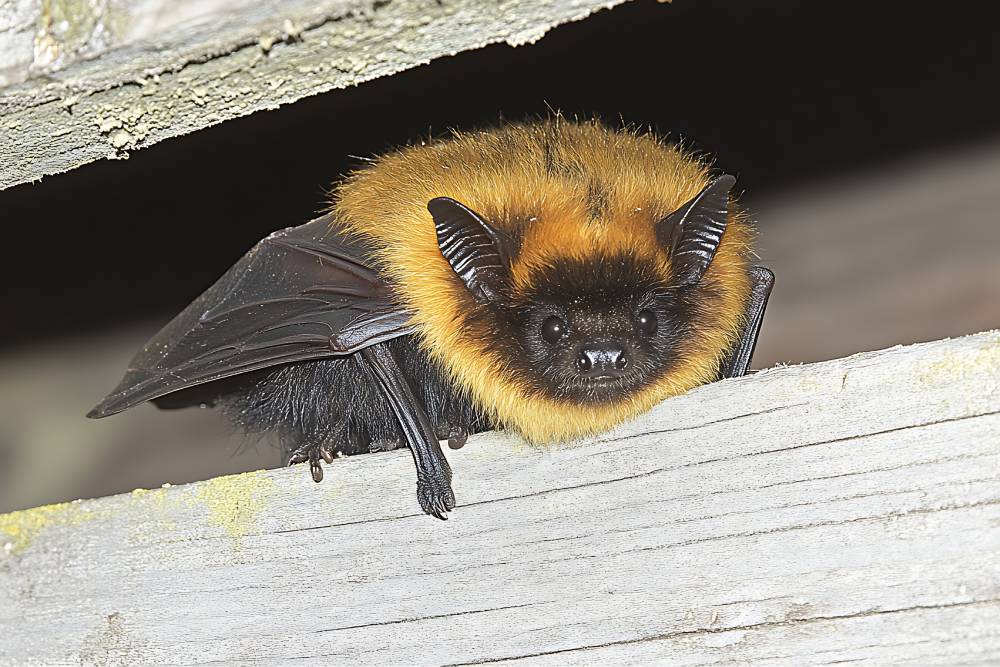
You are sitting in the living room and hear a faint rustling above the ceiling. Not heavy footsteps like raccoons. Not sharp gnawing like rodents. Something lighter and quicker. Almost like soft tapping mixed with fluttering. If those sounds happen around sunset or just before sunrise, bats could be the source.
Bat activity inside an attic has a distinct pattern. Once you know what to listen for, the signs become easier to recognize. The problem is that many homeowners dismiss the sounds early on, assuming they are minor or temporary. Let’s break down what bats actually sound like, why those noises happen, and what they may signal inside your home.
At Best Pest & Wildlife Control, we provide humane bat exclusion, structural sealing, and attic remediation services to remove colonies safely and protect your home from repeat intrusion.
Light Scratching and Rustling
Bats are small, but they are active. When roosting in an attic, they crawl along rafters, beams, and insulation. Unlike mice, they are not chewing through materials constantly. Instead, you will hear soft scratching across wood, light rustling in insulation, and subtle shifting sounds.
These noises seem faint and irregular. They may last a few seconds, then stop. This on-and-off pattern can continue for weeks before homeowners realize something is living overhead.
Because bats cling upside down and move in short bursts, their movements feel lighter than other wildlife. That makes the sound easy to overlook.
Fluttering or Rapid Wing Beats
One of the most recognizable bat sounds is fluttering. As bats enter or exit the attic, you may hear a quick flapping noise. It can sound like someone gently shaking a thin piece of fabric or lightly clapping paper together.
This usually happens at dusk when bats leave to feed, before sunrise when they return, and if the colony is disturbed during the day. If you consistently hear fluttering around sunset, that timing is a strong indicator of bat activity.
High-Pitched Chirping or Squeaking
Bats communicate with each other using high-frequency sounds. While much of their echolocation is beyond human hearing, some vocalizations fall within a range we can detect.
Homeowners sometimes describe the noise as faint chirping, short squeaks, or high-pitched clicking. These sounds often occur when a colony is roosting together. In maternity season, the noise can increase as pups vocalize to their mothers. The chirping is typically more noticeable in quiet rooms directly below the attic.
Tapping or Light Thumping at Night
When bats move between roosting spots, they may release their grip and reposition themselves. This can create a subtle tapping or light thud. It is not the heavy stomping associated with raccoons. Instead, it feels like something small dropping a few inches and grabbing onto another beam.
If the tapping happens in clusters, especially around dusk, it may indicate multiple bats moving at once.
Silence During the Day
One thing that separates bats from many other attic invaders is their schedule. Bats are nocturnal. During daylight hours, they are usually quiet and stationary. That means you may hear nothing during the day, only to notice activity shortly after sunset.
This time-based pattern helps distinguish bats from rodents, which tend to move throughout the day and night. If your attic is quiet in the afternoon but comes alive at dusk, bats become a strong possibility.
Other Signs That Match the Sounds
Noise is only part of the picture. Bat infestations also leave physical evidence.
You may notice:
- Dark staining near rooflines or vents
- Small droppings in the attic that resemble mouse droppings but crumble easily
- A strong ammonia-like odor from accumulated guano
Guano buildup can create serious contamination over time. As droppings accumulate, they can saturate insulation and produce odor that filters into living areas. When sound and physical signs appear together, the likelihood of a bat colony increases.
Why Bats Choose Attics
Attics provide what bats seek: warmth, shelter, and safety from predators. Small gaps along rooflines, soffits, vents, or flashing can allow entry. Bats only need an opening about the size of a dime. Once inside, they return night after night.
Unlike some wildlife that damages materials aggressively, bats can live quietly above a home for months. That makes early sounds easy to dismiss.
Unfortunately, the longer they remain, the more guano accumulates. Over time, that contamination can affect air quality and damage building materials.
Why You Should Not Handle It Yourself
Bat removal is not a simple trapping job. Bats are protected in many areas, especially during maternity season when flightless pups are present. Removing adults at the wrong time can leave young bats trapped inside, leading to odor and additional problems.
The proper solution involves:
- Identifying entry points
- Installing one-way exclusion devices
- Allowing bats to exit safely
- Sealing all access areas permanently
- Cleaning and remediating contaminated insulation if needed
Sprays, sound machines, and DIY sealing attempts often fail. If openings are sealed incorrectly, bats may search for new paths into living spaces.
When to Schedule an Inspection
If you hear fluttering at dusk, light scratching overhead, or high-pitched chirping in the attic, it is time to act.
Early inspection can confirm the species involved and determine the size of the colony. Addressing the issue sooner reduces contamination and prevents structural damage.
Serving Colorado, Arizona, California, and New Mexico, Best Pest & Wildlife Control specializes in humane bat exclusion, structural repairs, and attic remediation. We do not simply remove the animals. We identify how they entered and correct the vulnerabilities that allowed access in the first place.
Restoring Quiet to Your Home
The sounds of bats in the attic are subtle but distinctive once you know what to listen for. Fluttering at sunset. Soft scratching overhead. Faint chirping in the dark. These noises are your early warning system.
Ignoring them allows the colony to grow and contamination to spread. Taking action restores quiet nights and protects the structure of your home.
If your attic has started talking after sunset, schedule a free inspection with Best Pest & Wildlife Control. We will locate the source, remove the colony safely, and close the door behind them for good.
CONTACT US FOR A FREE QUOTE
Feel free to give us a call or send us an email with any questions or comments you have.