- SPECIAL DISCOUNT
- 10% OFF on Full Home Recommendations + Free Consultation
- Excludes insulation services
- Contact Us
- Must mention at the time of booking

Upstairs Intruders: Decoding Raccoon Sounds In Your Attic
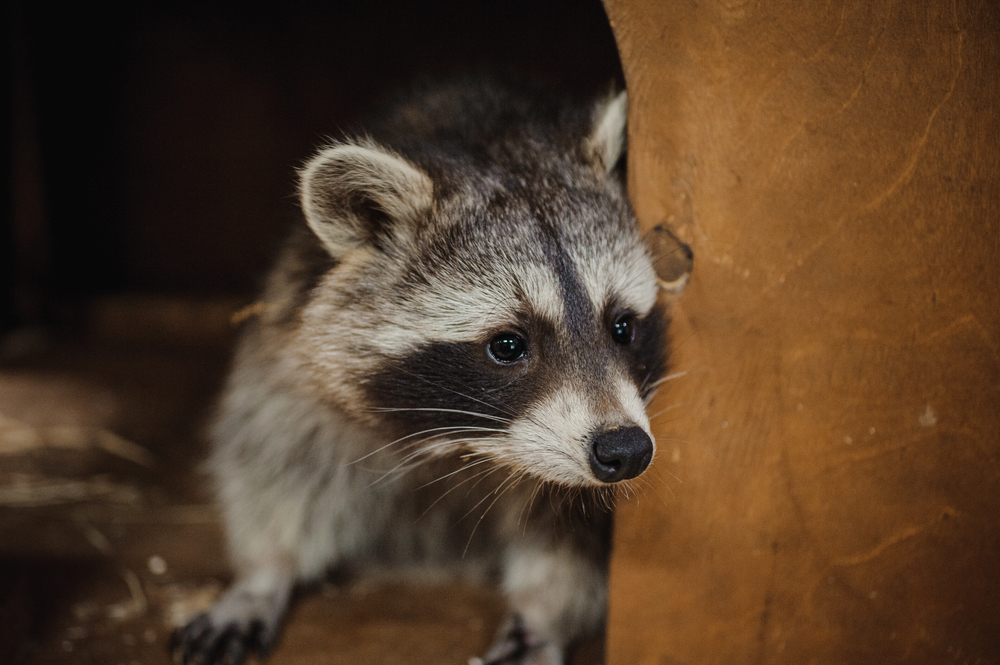
Raccoons look for shelter that keeps them dry, hidden, and close to food sources. Attics check every box. Insulation provides warmth, rooflines offer easy access, and nearby trash bins or pet food make nightly foraging simple.
Female raccoons often choose attics for raising young. The space mimics hollow trees found in nature. Once inside, they settle in fast. Their size and strength mean they do not move quietly, which is why their presence becomes obvious sooner rather than later.
If the noise above your ceiling keeps returning, understanding raccoon in attic sounds can help you decide when it is time to take action instead of waiting it out.
The Heavy Thumping Sound
One of the most common raccoon noises is a deep, heavy thud that travels across the ceiling. This sound usually happens at night when raccoons are active. Unlike mice, raccoons move with weight. Each step presses down on joists and drywall, creating a dull impact.
Thumping often means an adult raccoon walking, running, or shifting position. If the sound seems to travel from one end of the house to the other, that points strongly toward raccoon activity. Smaller animals tend to stay in tighter areas, while raccoons roam.
Scratching and Digging Noises
Scratching is another clear sign. Raccoons use their front paws to dig, pull, and pry. In attics, this behavior targets insulation, wood beams, and even ductwork. The sound may feel rhythmic, almost like someone raking fingers across the ceiling.
Digging noises often happen when raccoons create nesting areas. They push insulation aside to form shallow bowls for resting or nursing young. Over time, this movement damages insulation and reduces its effectiveness, leading to energy loss and uneven indoor temperatures.
Chattering, Growling, and Vocal Sounds
Raccoons are not silent animals. They communicate using a range of vocalizations that can sound alarming in enclosed spaces. Chattering, whining, and low growls may echo through the attic, especially during late-night hours.
These sounds usually indicate social behavior. A mother raccoon may vocalize to her kits, or adults may respond to perceived threats. During mating season, vocal activity increases and can sound aggressive. Hearing these noises means the attic has become more than a passing shelter.
High-pitched Noises from Baby Raccoons
A different sound profile appears when baby raccoons are present. Kits produce high-pitched chirps, squeaks, and cries. These sounds are softer but persistent, often heard during the day when the mother leaves to forage.
Many homeowners mistake these noises for birds or rodents. The key difference lies in timing and repetition. Baby raccoon sounds tend to come in clusters and repeat over weeks. This usually confirms a nesting situation that requires careful handling.
How Raccoon Sounds Differ from Other Animals
Distinguishing raccoon sounds from other attic wildlife helps avoid guesswork. Mice and rats create light scratching and rapid movement, often confined to small zones. Squirrels produce fast scurrying and rolling sounds, mostly during daylight.
Raccoons stand apart through volume and depth. Their movements sound deliberate and forceful. Vocal noises are another giveaway, as rodents rarely make audible calls through ceilings. If the sounds feel too loud to ignore, raccoons rank high on the list.
The Damage Hidden Behind the Noise
Sounds act as warnings. Behind them lies real damage. Raccoons tear insulation, compress air ducts, and soil surfaces with droppings. They may chew wiring or widen entry points, making the attic vulnerable to weather and other animals.
Their waste carries bacteria and parasites that affect indoor air quality. Over time, odors may seep into living spaces. What starts as an annoyance can become a structural and health concern if left unaddressed.
Why Ignoring Attic Noises Backfires
Many homeowners hope the problem resolves itself. Raccoons rarely leave on their own, especially if young are involved. Delays allow damage to spread and make raccoon removal more complex.
Seasonal changes also influence behavior. A raccoon that enters in spring may stay through summer and return in colder months. Each visit reinforces the attic as a safe place, increasing the chance of repeat invasions.
CONTACT US FOR A FREE QUOTE
Feel free to give us a call or send us an email with any questions or comments you have.