- SPECIAL DISCOUNT
- 10% OFF on Full Home Recommendations + Free Consultation
- Excludes insulation services
- Contact Us
- Must mention at the time of booking

Snakes In The Walls Of Your House? Professional Removal Is The Safest Choice
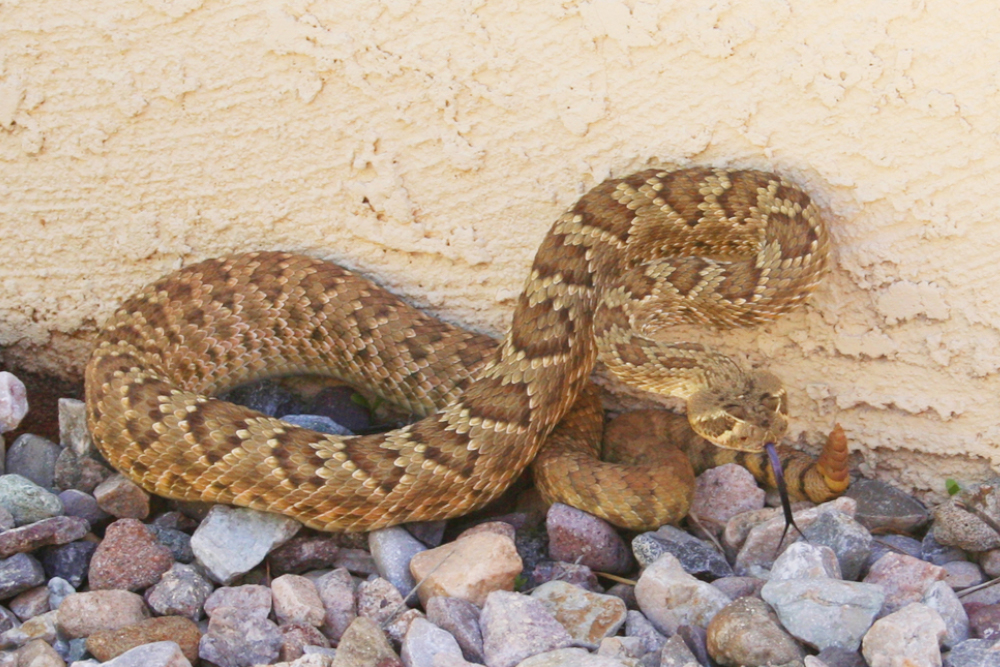
Hearing movement inside your walls is unsettling. That concern often escalates when the sound turns out to be a snake. While snakes are not aggressive and generally avoid people, their presence inside a wall cavity signals a larger problem. In most cases, it points to an access issue within the structure that will not correct itself without professional attention.
Snakes do not just appear in walls. They are attracted by scent, temperature, and access points created by other wildlife. The presence of one usually indicates more than one structural weakness. That is why professional wildlife removal is the safest solution.
At Best Pest & Wildlife Control LLC, we provide humane snake removal and exclusion services for homeowners across the Denver metro area, Phoenix metro area, Orange County, and New Mexico.
How Snakes Get Inside Wall Cavities
Snakes are adept at using small spaces to their advantage. Gaps around foundations, utility penetrations, crawl spaces, and rooflines provide an entry point. Once inside, wall cavities offer darkness, warmth, and safety from predators.
Rodent activity may also be a factor. Snakes follow food sources, and structures with rodent activity nearby can attract them. Walls provide undetected access to snakes while they hunt for a food source or a safe nesting area during seasonal temperature drops.
Colder months drive snakes toward stable microclimates. Conversely, increased wildlife movement is common during warmer months. Activity can suddenly appear in undisturbed homes as well.
Why Wall Cavities Are a Serious Problem
Snakes in wall cavities are more than an unwanted surprise. Wall voids connect to various areas in homes, including the attic or crawl spaces. This allows the snake to relocate without being detected.
Other concerns include:
- Difficulty locating the snake’s exact position
- Increased stress on the snake, leading to defensive behavior
- Access points indicating structural weaknesses that can bring in other wildlife
- Creating noise and disruption in living spaces
Attempting to remove a snake without training may also push it deeper into the structure.
The DIY Approach Only Creates More Problems
Some people consider removing the snake themselves. This usually involves trying to force the snake out or waiting for it to leave on its own. Others attempt to keep it out by trying to seal its access points. These methods seldom work.
Snakes typically react to pressure by retreating into tighter spaces. Attempting to handle the situation without training only increases the risk of harm to the affected party or the animal. This also ignores why the snake initially moved into the structure.
Even if the snake is removed, another can enter later if the original access issue is left unaddressed.
Professional Removal Starts with Inspection
Professional wildlife removal services always start with a thorough inspection of the structure. This helps identify how the snake got inside and where it is moving.
General areas of focus include:
- Exterior gaps and points near the foundation and siding
- Gaps connecting crawl space or attics
- Corner or access points in wall cavities
- Activity by rodents or other prey animals in the vicinity
The inspection area mainly depends on the snake species and their general activity patterns in urban areas. The information gathered helps shape the removal plan and prevents guesswork. This also means no attempts are made to seal the snake inside.
Safe Removal Using Knowledge of Wildlife Behavior
Wildlife removal professionals use knowledge about local snake species’ behavior patterns when removing snakes. It informs removal strategies that push the snakes out without causing unnecessary stress.
This may involve guiding the snake toward an exit point in a safe way. Equipment adapted for confined space removal may also be used. Careful planning goes into each step of the process.
Closing Gaps After the Snake Has Been Removed
Once a snake leaves or is removed from a structure, gaps in walls are almost guaranteed. However, snakes are not the only species that take advantage of building structures for shelter. Once access points have been identified and sealed, gaps are addressed.
Snake control professionals will make sure all entry points around a structure have been sealed properly to prevent wildlife from using holes for shelter again.
Common areas with gaps include:
- Utility gaps where utility lines run into structures
- Gaps around foundation areas
- Crawl space vent gaps
- Roofline connections
Temporary repair solutions do not always work when dealing with natural elements; thus, proper materials will be chosen that can withstand time and forces of nature. Proper long-term gap sealing reduces the risk of repeat entry by snakes or other wildlife.
Why Less Contact Reduces Risks
There are several unknown factors when dealing with a snake in a wall cavity. Wall cavities connect multiple structures, and one of the biggest problems might be figuring out where exactly the snake is located.
Professional wildlife removal services eliminate any uncertainty related to a snake infestation by managing the process from start to finish.
Benefits of this include:
- Less chance of contact with pets or residents
- Identification of how species enter structures
- Humane handling of the snake species after removal
Structural damage caused during possible removal can also be repaired afterward in conjunction with other relevant services.
Professional Snake Removal Services for Homes Across the Western U.S.
At Best Pest & Wildlife Control LLC, we handle snake activity as a structural wildlife issue, not a one-time scare. Serving clients throughout the Western United States, our team brings years of hands-on experience dealing with wildlife access in walls, attics, crawl spaces, and foundations.
We start with a detailed inspection to find how the snake entered and where it is moving, then carry out safe, humane removal followed by exclusion work to close off entry points. When wildlife activity has disturbed insulation, we address those conditions as part of a broader prevention approach to help reduce future attraction.
If movement in your walls has raised concern, we can step in quickly and handle the situation with care, clarity, and long-term prevention in mind. Reach out to us anytime to schedule a consultation.
CONTACT US FOR A FREE QUOTE
Feel free to give us a call or send us an email with any questions or comments you have.