- SPECIAL DISCOUNT
- 10% OFF on Full Home Recommendations + Free Consultation
- Excludes insulation services
- Contact Us
- Must mention at the time of booking

Should You Replace Insulation After A Mice Infestation?
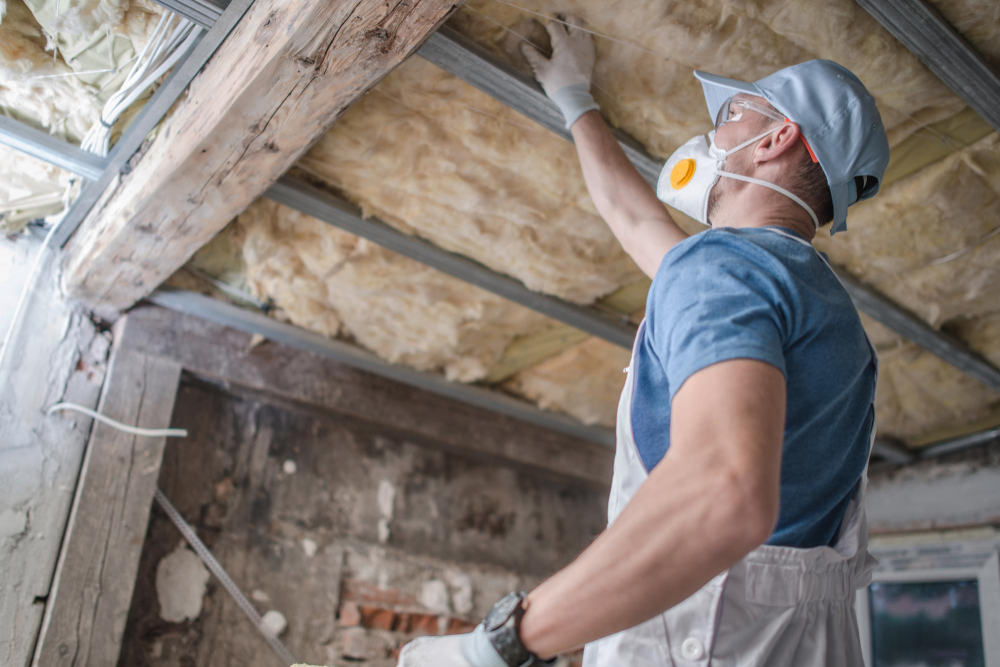
If you’ve recently dealt with rodents, one question tends to come up fast: do you need to replace insulation after mice have been in your home? It’s a fair concern. Mice don’t just pass through your attic or crawlspace. They settle in, build nests, leave droppings, and contaminate the materials around them.
The short answer is that in many cases, yes, insulation replacement is recommended. But it’s not always a black-and-white decision. The level of activity, how long the infestation lasted, and the condition of the insulation all play a role. Let’s walk through what actually happens during a mouse infestation and how to decide the right next step.
What Mice Actually Do to Insulation
Insulation might seem like a passive material, but for mice, it’s the perfect environment. It’s warm, quiet, and rarely disturbed. Once they get inside, they start using it in ways that quickly degrade its performance.
Mice will tear into insulation to build nests. They tunnel through it, compress it, and move it around. This alone reduces its ability to regulate temperature. But the bigger issue comes from contamination.
As mice live in the space, they leave behind urine and droppings throughout the insulation. These aren’t isolated to one corner. Over time, the contamination spreads across large sections of the attic or crawlspace. The longer the infestation lasts, the worse it gets.
You may not always see the damage from below, but that doesn’t mean it isn’t there.
The Hidden Risks of Contaminated Insulation
Once insulation has been exposed to mice activity, it’s not just a performance issue. It becomes a health and safety concern.
Rodent droppings and urine can carry bacteria and pathogens. As insulation gets disturbed or air moves through the space, particles can circulate through your home. That’s when problems start to show up, especially for people with allergies or respiratory sensitivities.
There’s also the odor factor. Contaminated insulation often develops a strong, persistent smell. Even after the mice are gone, that odor can linger and spread into living areas.
Other risks include:
- Increased moisture retention from urine buildup
- Mold growth in affected areas
- Attraction of new pests due to scent trails
At that point, leaving the insulation in place can continue to create problems long after the infestation has ended.
Can You Just Clean the Insulation Instead?
This is one of the most common questions homeowners ask. On the surface, cleaning sounds like a simpler and less expensive option. In reality, it rarely solves the full problem.
Insulation is a porous material. Once urine and droppings soak into it, surface cleaning won’t remove the contamination fully. Even if you treat the top layer, the deeper layers can still hold bacteria and odor.
There’s also the issue of distribution. Mice don’t stay in one spot. They move throughout the attic or crawlspace, which means contamination is often widespread. Trying to clean each affected area is not only difficult, but also unreliable.
In most cases, cleaning may reduce visible signs, but it doesn’t restore the insulation to a safe or effective condition.
When Professional Insulation Replacement Is the Right Call
Not every infestation leads to full replacement, but there are clear situations where professional insulation removal is the better choice.
- Heavy Infestation
If mice have been active for a while, the insulation is likely saturated with droppings and urine. At that point, replacement is usually recommended.
- Widespread Contamination
When multiple areas of the attic or crawlspace are affected, spot treatment won’t be enough. The contamination is too spread out to manage selectively.
- Strong Odors
Lingering smells are a sign that the insulation has absorbed contaminants deeply. These odors rarely go away without removal.
- Damaged or Compressed Insulation
If the material has been torn apart or flattened, it’s no longer performing its job. Even without contamination, it would need replacement.
- Recurring Infestations
If mice keep coming back, it often means the environment still supports them. Old insulation can hold scent trails that attract new activity.
What the Professional Insulation Replacement Process Looks Like
Replacing insulation after a mice infestation involves more than just pulling out old material and adding new layers. It’s a step-by-step process that addresses the full scope of the problem.
Inspection
Wildlife removal and remediation services start by evaluating the extent of the infestation and identifying affected areas. This includes looking for entry points, nesting zones, and signs of contamination.
Removal
Contaminated insulation is safely removed using specialized equipment. This helps prevent particles from spreading into the home during the process.
Sanitization
Once the insulation is out, the space is cleaned and treated. This step targets bacteria, odors, and residue left behind by the mice.
Exclusion Work
Entry points are sealed to stop mice from getting back inside. This might involve minor construction repairs around vents, rooflines, or gaps in the structure.
Installation of New Insulation
Fresh insulation is installed to restore energy efficiency and comfort. The space is now clean, sealed, and ready to function as it should.
Why Removal Alone Isn’t Enough
Some homeowners focus only on getting rid of the mice. While that’s the first step, it doesn’t solve the entire problem.
If entry points aren’t sealed, new mice can return. If contaminated insulation is left in place, odors and health concerns remain. If damage isn’t repaired, the structure stays vulnerable.
That’s why a complete approach matters. Mouse removal, exclusion, cleanup, and restoration all work together to address the root of the issue.
Skipping any part of that process can lead to repeat infestations and ongoing frustration.
How to Tell If Your Insulation Has Been Affected
You don’t always need to go into the attic to spot signs of trouble. There are a few indicators that suggest your insulation may have been compromised.
- Scratching or movement sounds above ceilings
- Musty or ammonia-like odors in the home
- Higher energy bills without a clear reason
- Visible droppings or nesting materials near access points
- Recent or ongoing rodent activity
If you notice one or more of these signs, it’s worth having the space inspected. What’s happening out of sight can still impact your home in a big way.
Restore Your Attic the Right Way
Getting rid of mice is only part of the job. What they leave behind in your attic or crawlspace can continue to affect your home if it’s not handled properly. That’s where we come in.
At Best Pest & Wildlife Control, we take a full-solution approach. Our team inspects your property, identifies entry points, and repairs damage to stop future infestations before they start. We also provide detailed cleanup, including removal of droppings, sanitation, and disinfectant treatments to restore a safe environment.
If insulation has been impacted, we remove contaminated material and install new insulation to bring your space back to a clean, functional state.
We proudly serve homeowners across Colorado, Arizona, California, and New Mexico, delivering reliable wildlife and pest solutions built around long-term results. Schedule your free consultation today and fix the problem at its source.
CONTACT US FOR A FREE QUOTE
Feel free to give us a call or send us an email with any questions or comments you have.