- SPECIAL DISCOUNT
- 10% OFF on Full Home Recommendations + Free Consultation
- Excludes insulation services
- Contact Us
- Must mention at the time of booking

Scratching Noises In Your Chimney At Night? Causes And Solutions
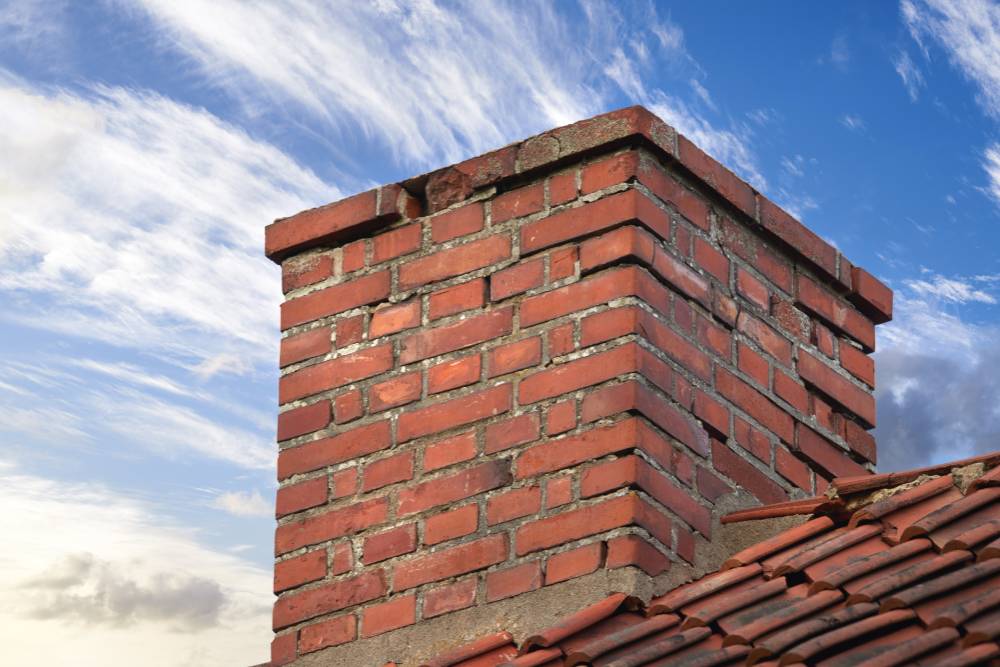
Have you ever been woken up by scratching noises in the chimney at night? You are not alone. Many homeowners deal with this problem, especially during colder months or early spring. Those sounds can make you uneasy, and they often point to wildlife finding its way into your chimney.
While it might be tempting to ignore the noise or assume it will go away, it usually means something is already inside. Acting quickly helps prevent damage, avoids unpleasant odors, and keeps your home safe. Let’s break down what could be causing the sounds and how wildlife removal & exclusion services handle the situation properly.
Why Wildlife Is Attracted to Chimneys
From an animal’s perspective, your chimney looks like a safe, quiet shelter. It is dark, enclosed, and protected from predators and weather. That makes it an ideal nesting spot.
During certain seasons, chimneys become even more appealing. In spring, many animals look for a place to raise their young. In fall and winter, they search for warmth and protection.
Chimneys without proper caps are especially vulnerable. Once an animal finds easy access, it may return again or even attract others.
Common Animals That Cause Scratching Sounds
Different animals create different types of noise. The timing, intensity, and pattern of the scratching can offer clues about what is inside.
Here are some of the most common culprits:
- Raccoons
Heavy thumping, scratching, and movement mostly at night. Raccoons often use chimneys as nesting sites. - Squirrels
Fast, light scratching and scurrying sounds, usually during early morning or late afternoon. - Birds
Flapping, chirping, and light scratching. Chimneys often attract chimney swifts and other nesting birds. - Bats
Soft scratching or squeaking sounds at night, often accompanied by fluttering.
Each of these animals brings its own challenges. Some can cause structural damage, while others may leave behind droppings or nesting materials that create odors and health concerns.
What Those Noises Can Lead to
Ignoring the sounds might seem harmless at first, but wildlife inside a chimney can lead to bigger issues over time.
Animals often build nests using twigs, leaves, and debris. That buildup can block airflow, which affects how your fireplace works. In some cases, it increases fire risk.
Droppings and urine can create strong odors that spread through your home. Over time, these materials can also damage the chimney liner.
There is also the possibility of animals getting stuck. When that happens, it can lead to unpleasant smells and sanitation concerns that require professional cleanup.
Why This Is Not a DIY Situation
It might be tempting to try to solve the problem yourself, but chimney wildlife removal is not a simple task. It involves safety risks, legal considerations, and the potential for making the situation worse.
Many animals, like raccoons, can become aggressive when cornered. Others, like birds, may be protected by law during nesting season. Disturbing them improperly can lead to fines or injuries.
There is also the risk of pushing animals deeper into your home. Without the right tools and approach, attempts to remove them can drive them into walls or living spaces.
This is why trained wildlife removal technicians handle these situations with specific methods designed for safe removal and long-term prevention.
How Professionals Identify the Problem
The first step is a detailed inspection. Professionals look at both the interior and exterior of the chimney to understand what is happening.
They check for:
- Entry points or gaps at the top of the chimney
- Type of nesting material present
- Droppings or other signs of activity
- Sounds and movement patterns
Based on these findings, they determine which animal is involved and how long it has likely been there.
This step is important because different species require different removal strategies. A one-size approach does not work in wildlife control.
Safe and Humane Removal Methods
Once the animal is identified, experts use targeted techniques to remove it without harm and without damaging your property.
Some of the common methods include:
- One-way doors
These devices allow animals to exit but prevent them from getting back inside. - Hand removal for nesting animals
If babies are present, technicians carefully remove them and reunite them with the mother outside. - Specialized trapping when needed
In certain cases, humane traps are used following local regulations. - Smoke-free eviction techniques
Safe deterrents may be used to encourage animals to leave without causing stress or injury.
Each method is chosen based on the situation. The goal is always to remove the animal completely while avoiding harm and preventing re-entry.
Cleaning and Restoring the Chimney
Removing the animal is only part of the process. What is left behind can still cause problems if not addressed.
Professionals carry out a full cleanup that may include:
- Removing nests and debris
- Cleaning droppings and contaminated areas
- Deodorizing the chimney
- Inspecting for damage
If needed, minor repairs are also handled to restore the chimney to proper working condition. This step helps eliminate odors, reduces health risks, and prepares the space for safe use again.
Preventing Future Problems
After wildlife removal and cleanup, the focus shifts to keeping animals out for good.
The most effective solution is installing a chimney cap. This simple addition blocks entry while still allowing proper ventilation.
Technicians also check for other vulnerabilities around the roofline and seal any openings that could be used by wildlife.
Prevention is not just about blocking access. It also involves understanding how animals behave and removing the conditions that attract them in the first place.
Get Professional Chimney Wildlife Removal in Denver, Phoenix, and Orange County
If you are hearing activity in your chimney, it is time to bring in a team that handles this every day. At Best Pest & Wildlife Control, we provide full-service wildlife removal across the Denver, CO metro, Phoenix, AZ metro, and Orange County, CA.
We do more than remove wildlife. Our technicians inspect the entire chimney system, locate entry points, remove nesting material, and complete exclusion work so animals cannot get back in. We also handle sanitation and minor repairs when needed.
With over 15 years of experience, we focus on long-term solutions, not temporary fixes. Schedule your inspection today and get your home quiet again.
CONTACT US FOR A FREE QUOTE
Feel free to give us a call or send us an email with any questions or comments you have.