- SPECIAL DISCOUNT
- 10% OFF on Full Home Recommendations + Free Consultation
- Excludes insulation services
- Contact Us
- Must mention at the time of booking

Roof Rat Removal: What To Expect When Hiring A Pro
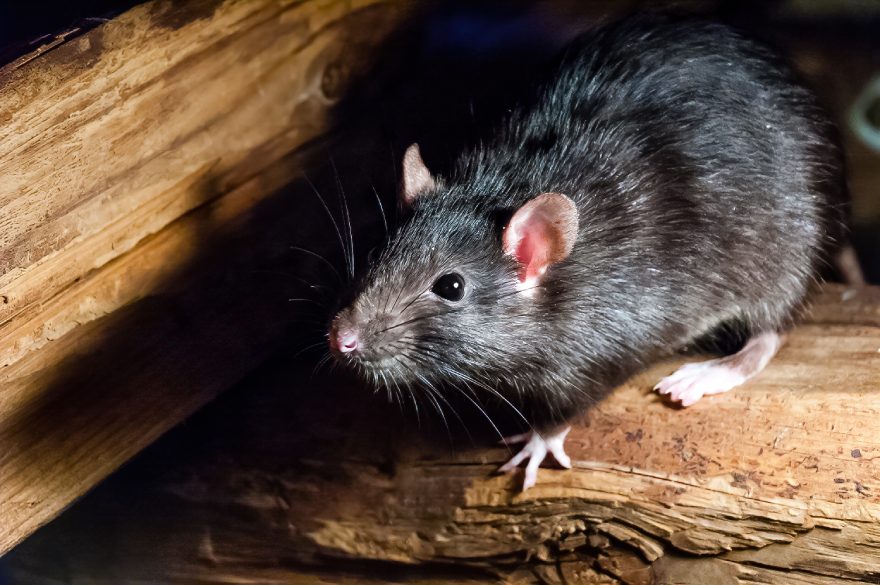
Roof rats are agile, smart, and quick to exploit small roof gaps, vent screens, and eave openings. Bringing in a seasoned technician turns chaos into a clear plan of action, from the first ladder up to the final attic sanitizing visit. Here is what a professional roof rat removal typically looks like, and what outcomes to expect at each step.
Initial Phone Consult and Scheduling
After a short intake call covering noises, sightings, and access, most companies aim for a prompt inspection visit. Fast attention matters because roof rats breed quickly and expand to soffits, wall voids, and insulation. Expect guidance on pre-visit prep like clearing attic access and listing activity times.
Full Property Inspection
The on-site inspection maps how rats move, where they nest, and how they enter. Pros check rooflines, ridge and gable vents, pipe and cable penetrations, chimney caps, and vegetation touching the structure. Indoors, they look for grease marks, droppings, runways along framing, and chew points. The result is a written plan that pairs exclusion work with targeted removal.
Exclusion Comes First
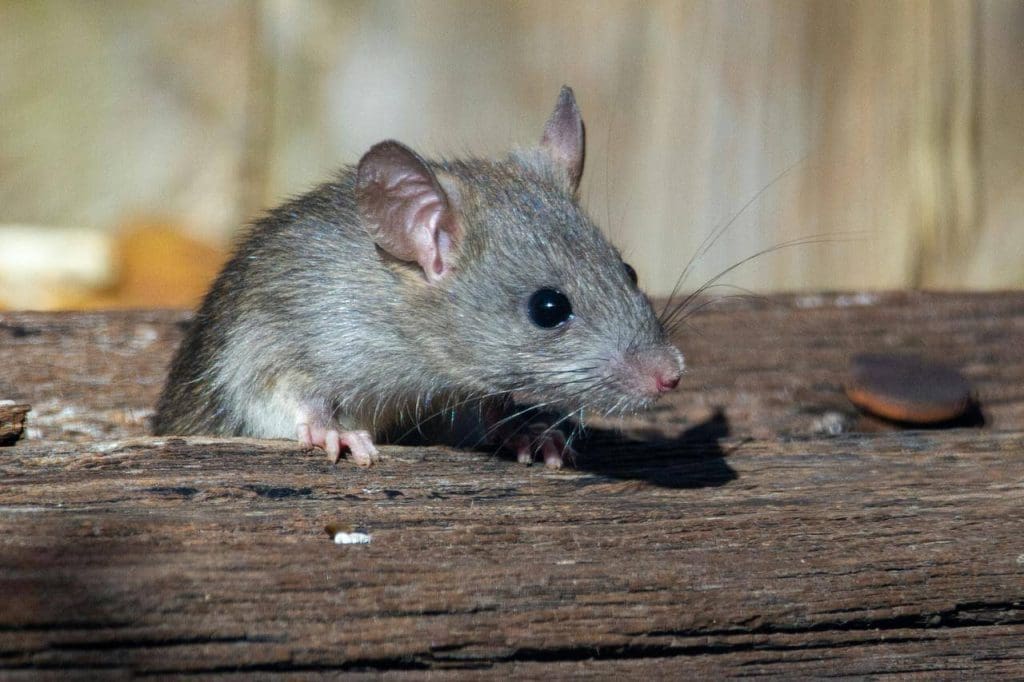
Stopping new entries is the backbone of success. Technicians seal gaps as small as a quarter inch with hardware cloth, copper mesh, metal flashing, and sealants, then add screens on vents and caps on flues. They also recommend trimming branches that bridge to the roof and tightening door sweeps and weatherstripping for ground access points. This step blocks the pipeline of new rats so trapping can finish the ones inside.
Targeted Trapping Strategy
With entries closed, the pro stages traps along known runways, near rub marks, and beside warm mechanical chases where rats travel. Snap traps are placed with careful orientation to walls for quick, humane results and consistent checking. In many programs, poisons are avoided indoors to prevent odor problems from hidden carcasses and to protect pets and non-targets. Outdoors, any bait work is locked in tamper-resistant stations when used.
Sanitation, Deodorizing, and Attic Care
Once activity drops to zero, the service pivots to cleanup. Droppings, nesting material, and soiled insulation create odors and can attract new rodents. Professionals remove contaminated debris, disinfect contact surfaces, and may apply enzymatic treatments to neutralize scent trails that guide future rats back to former routes. Heavily damaged insulation can be replaced for better air quality and energy performance.
Timelines and Milestones
A typical program unfolds over one to three weeks, depending on colony size and building complexity. Early wins are fewer night noises, no new droppings, and quieter attic runs. Final clearance comes after multiple quiet nights, empty traps, and clean follow-up inspections. Commercial roofs and large homes may need extended monitoring.
What Pros Do That DIY Misses
- They find every gap, not just the obvious ones along fascia and vents. Comprehensive sealing breaks the cycle of re-entry.
- Trap placement is data driven, using travel patterns and feeding behavior to cut down the population quickly.
- Programs are integrated, pairing exclusion, trapping, and sanitation with follow-up checks that catch relapses early.
Costs, Guarantees, and Follow-ups
Quotes usually detail line items for exclusion materials, trap servicing visits, cleanup, and optional insulation work. Many companies offer short-term warranties tied to the sealed entry points, plus periodic rechecks. Seasonal follow-ups before peak activity can keep risk low, especially in tree-dense neighborhoods and near waterways.
How Homeowners Can Help
Good housekeeping and landscape habits amplify results. Store pantry goods in sealed bins, fix pet food routines, and address moisture around HVAC lines. Outside, keep fruit drop picked up, thin dense ivy, and trim branches that touch roofs or utility lines. These steps remove food, cover, and easy bridges that rats use.
Your Roof Rat Problem Ends Here
Talk to Best Pest & Wildlife Control for humane, results-driven roof rat solutions across the Western United States. With 15+ years in the field, our accredited team tackles the source of activity, seals entry points, and restores attics and crawlspaces with sanitation and insulation upgrades.
Expect a tailored plan that blends exclusion and targeted removal, aimed at fast relief and long-term protection. Ready to get started? Schedule a free home inspection and reclaim a clean, quiet property today.
CONTACT US FOR A FREE QUOTE
Feel free to give us a call or send us an email with any questions or comments you have.