- SPECIAL DISCOUNT
- 10% OFF on Full Home Recommendations + Free Consultation
- Excludes insulation services
- Contact Us
- Must mention at the time of booking

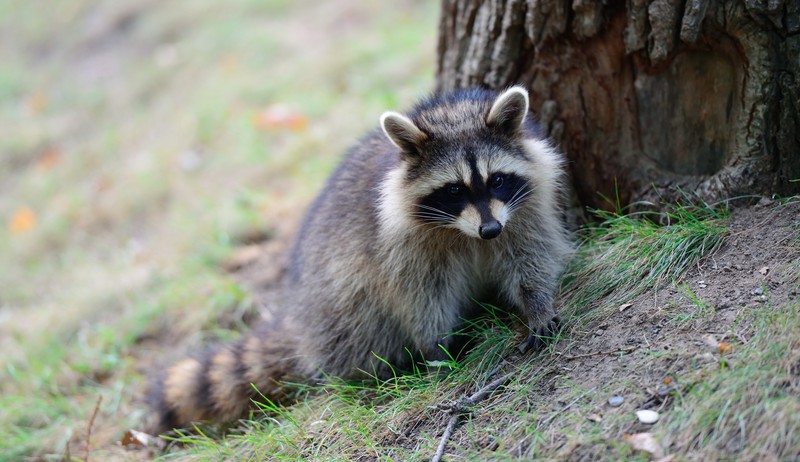
Raccoons In Arizona: Who To Call After An Infestation
Quick Summary
Hearing heavy footsteps overhead at night or finding your trash cans knocked over every other morning usually means something bigger than a stray cat has moved in. Raccoons in Arizona adapt well to desert living once they find a reliable water source and a warm attic to den in, and once that happens, the problem tends to grow fast.
Knowing who to call after an infestation takes hold makes the difference between a quick resolution and months of repeat damage.
Why Raccoons Show Up in Arizona Neighborhoods
Arizona’s dry climate doesn’t stop raccoons from thriving, since irrigation canals, backyard pools, and golf course water features give them everything they need to survive without a natural river or lake nearby. Attics and crawlspaces mimic the hollow trees and rock crevices raccoons naturally den in, offering shelter from summer heat that regularly climbs past 100 degrees. Once a female raccoon finds a safe attic to raise young in, the population on a single property can grow within weeks, especially during spring denning season.
Newer master-planned communities built around canals and retention basins often see just as much raccoon activity as older neighborhoods, since the combination of landscaping and reliable water draws them in regardless of how new the construction is. Homes near golf courses face a similar pattern, with raccoons using cart paths and irrigated greens as a nightly travel route between water sources and denning spots. Once that route becomes familiar, a raccoon tends to keep using it until something forces a change.
Signs of a Raccoon Infestation
Heavy footsteps or scratching sounds coming from the attic at night are usually the first sign homeowners notice, since raccoons are most active after dark. Overturned trash cans, torn screens, and damaged vents around the roofline point to an animal working its way in from outside.
Droppings near entry points, footprints in dusty areas, and a strong odor building up in the attic all suggest the raccoon has settled in rather than just passing through.
Why Raccoons Are Different from Other Nuisance Wildlife
Raccoons stand out from squirrels or birds for a few reasons. They’re highly intelligent, use their dexterous paws to open latches and widen gaps, and are strong enough to tear through weak roofing material or damaged vents.
Raccoons are also classified as a rabies vector species, which changes how they’re legally handled compared to most other backyard wildlife. That combination of intelligence and legal classification is exactly why a raccoon infestation calls for a raccoon control service in Arizona instead of a general pest spray or a store-bought trap.
The Inspection Process
A proper raccoon removal job starts with a full property walkthrough. Technicians look for footprints in and around the home, large openings leading to the attic or crawlspace, and droppings that confirm raccoon activity over other wildlife.
This step also identifies how many animals are likely involved, since a single raccoon problem looks very different from a mother denning with a litter of young.
Humane Trapping and Removal
Live trapping is the most effective and humane method for raccoon removal, and direct capture is avoided because of the rabies vector classification. When legal, a healthy trapped raccoon gets relocated with written permission rather than released without documentation.
If babies are found in an attic without their mother present, wildlife removal specialists often coordinate with a local rehabilitation center to give the young ones proper care instead of leaving them behind.
Sealing Entry Points After Removal
Removing the raccoon only solves part of the problem, since an unsealed entry point invites the next animal in within weeks. After removal, every opening around the roofline, vents, and chimney gets closed off with material sturdy enough to withstand a raccoon’s strength. Habitat modification around the yard, like securing trash cans and limiting easy food access, rounds out a plan built to keep the property raccoon-free long term.
Frightening devices and generic deterrents tend to work only for a short while before a raccoon figures out there’s no real threat behind the noise or lights. Real prevention comes down to physical barriers and removing whatever drew the raccoon there in the first place, like an accessible pool deck, an uncovered pet food bowl, or a gap left behind after a previous repair that wasn’t finished properly.
Why DIY Raccoon Removal in Arizona Is Risky
Raccoons are smart enough to avoid poorly placed traps and strong enough to injure someone who tries to handle one without training. There’s also the legal side, since improperly relocating a trapped raccoon without documentation can create problems down the line.
Add in the health risk tied to a rabies vector species, plus the chance of separating babies from their mother during a rushed removal, and it becomes clear why this job belongs to licensed professionals rather than a DIY weekend project.
Call Best Pest & Wildlife Control for Raccoon Removal in Arizona
We help homeowners across the Phoenix metro handle raccoon infestations the right way, from the first inspection to full exclusion work that keeps the problem from coming back. Our licensed technicians offer free inspections, transparent pricing with photos, and humane trapping methods that follow Arizona’s wildlife regulations from start to finish.
Serving Mesa, Phoenix, and the surrounding communities, we know how raccoons behave in a desert environment and how to remove them safely. Give us a call today and let’s take care of it.
FAQs
Are raccoons dangerous in Arizona?
Raccoons are classified as a rabies vector species, which means bites and scratches carry real health risk, making professional handling the safer choice.
How do I know if I have a raccoon infestation versus a single visitor?
Repeated noise at night, ongoing trash disturbances, and growing damage around the roofline usually point to a raccoon that has settled in rather than one passing through.
Can raccoons be relocated after they’re trapped?
When legal, a healthy trapped raccoon can be relocated with written permission, though state rules limit how and where this can happen.
What happens if baby raccoons are found in my attic?
Wildlife specialists often coordinate with a local rehabilitation center to care for young raccoons found without their mother present.
CONTACT US FOR A FREE QUOTE
Feel free to give us a call or send us an email with any questions or comments you have.