- SPECIAL DISCOUNT
- 10% OFF on Full Home Recommendations + Free Consultation
- Excludes insulation services
- Contact Us
- Must mention at the time of booking

Professional Bat Removal For Attics In Phoenix, AZ
Quick Summary
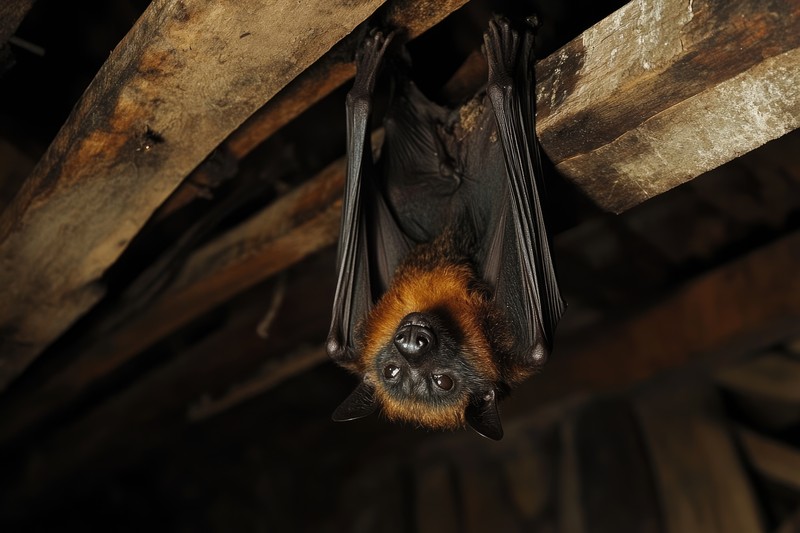
Warm nights, endless insects, and old roof gaps make Phoenix attics a magnet for flying visitors. If you’ve noticed bats in attic Phoenix AZ homes tend to settle into during the hotter months, you’re not imagining things.
Arizona is home to more bat species than nearly any other state, and a single colony can turn a quiet attic into a noisy, smelly problem within a few weeks. Getting them out takes more care than most homeowners expect, since bats are protected under both state and federal rules.
Why Bats Choose Phoenix Attics
Phoenix attics stay warm year-round, which mimics the caves and rock crevices bats naturally roost in. The city’s dry climate also means fewer natural water sources, pushing bats toward neighborhoods where pools, irrigation, and landscaping offer easier access to a drink. Add in the massive insect population that shows up after monsoon season, and an attic near a good hunting ground becomes an ideal home base. Once a colony settles in, it often returns to the same roost year after year unless the entry points get permanently sealed.
Older homes across the Phoenix metro tend to have more gaps around roof tiles, fascia boards, and vents, giving bats plenty of small openings to squeeze through. A gap as narrow as a half inch is often all it takes for a bat to slip inside, which explains why colonies can build up for months before anyone notices. Newer construction isn’t immune either, since even a small settling crack or a poorly fitted vent cover can become an open invitation over time.
Signs You Have Bats in the Attic
Bats are quiet during the day but active right around dusk, so listening for faint scratching or squeaking near sunset is one of the easiest ways to notice a problem. A strong ammonia smell coming from the attic usually points to a buildup of guano, and dark staining around roof edges or vents often marks the entry point bats use night after night.
Some homeowners only notice the issue after spotting a bat flying inside the house, which typically means the colony has grown large enough to overflow its usual space.
Why Bats Need Special Handling in Arizona
Six bat species carry federal protection, and Arizona holds a wide range of species overall, so identifying which type has moved in changes what removal methods are allowed. Many states, including Arizona, restrict bat removal during maternity season to avoid separating flightless pups from their mothers, which means timing plays a bigger role in bat exclusion than it does with most other wildlife jobs.
A licensed bat control service in Phoenix knows how to identify the species present and plan removal around these rules instead of running into legal trouble later.
The Inspection Process
A proper bat removal job starts with a full interior and exterior inspection. Technicians look for rub marks along entry points, guano piles, and the telltale ammonia odor that builds up with a larger colony.
Because exposure to guano dust carries real health risk, professionals wear a respirator when working inside an attic housing bats, something most homeowners aren’t equipped to do safely on their own.
How Professionals Remove Bats
The most effective and humane method for bat removal uses a device called a bat valve, which works like a one-way door. Bats can exit through it to feed at night, but they can’t get back inside once they leave.
While the valve stays in place, every other opening around the roofline gets sealed, so the only way in or out is through that single controlled point. The full process typically takes three to seven days, giving the entire colony time to exit naturally before the valve comes down and the final entry point gets closed for good.
Cleanup After Bat Removal
Bat guano isn’t something to sweep up with a household broom. It can carry fungal spores linked to histoplasmosis, a lung infection that spreads through inhaled dust particles, which is why cleanup after wildlife removal requires the same protective gear used during inspection.
Soiled insulation typically needs replacing, and the space gets disinfected before it’s considered safe again. Skipping this step leaves behind more than a bad smell, since old guano keeps posing a health risk long after the bats are gone.
Why DIY Bat Removal Is Risky
Sealing entry points before every bat has left is one of the most common mistakes homeowners make, and it traps animals inside the attic where they can die and create an even bigger cleanup problem. There’s also the legal side, since removing a federally protected species the wrong way can lead to real penalties.
Add in the health risk from guano exposure and the physical challenge of working safely in tight attic spaces, and it becomes clear why this is a job best left to trained technicians.
Call Best Pest & Wildlife Control for Bat Removal in Phoenix
We’ve spent years helping Phoenix homeowners deal with bats the right way, using humane exclusion methods that respect Arizona‘s protected species while getting your attic back to normal. Our licensed technicians handle the full process from inspection to cleanup, with transparent pricing and photos shared along the way so nothing feels like a mystery.
Serving the greater Phoenix metro area, we know which species show up locally and how to time removal correctly around maternity season. Give us a call today and let’s get those bats out safely.
FAQs
How long does professional bat removal take?
The exclusion process using a bat valve typically takes three to seven days, depending on how large the colony is.
Are bats dangerous to have around a Phoenix home?
Bats themselves aren’t aggressive toward people, but guano buildup carries health risks, and a large colony can cause real damage to insulation and attic structures over time.
What time of year is best for bat removal in Phoenix?
Removal outside maternity season is generally easier and safer, since it avoids separating flightless pups from their mothers inside the roost.
CONTACT US FOR A FREE QUOTE
Feel free to give us a call or send us an email with any questions or comments you have.