- SPECIAL DISCOUNT
- 10% OFF on Full Home Recommendations + Free Consultation
- Excludes insulation services
- Contact Us
- Must mention at the time of booking

Pest Control In Restaurants: Strategies To Safeguard Your Business
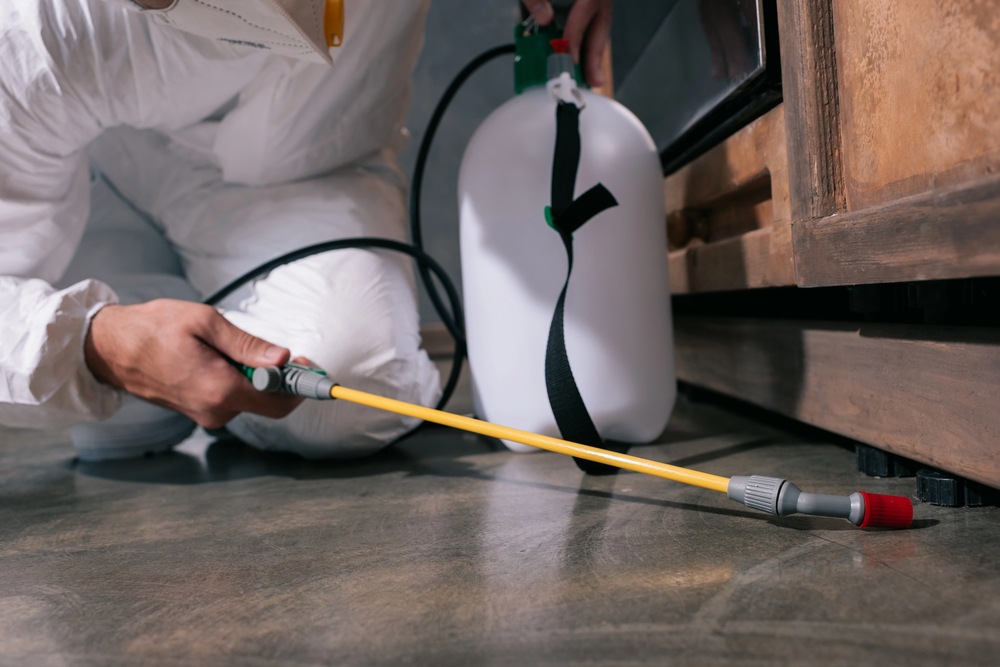
A restaurant lives on trust. Diners trust that the food is clean, the kitchen is cared for, and the space feels welcoming from the front door to the restroom sink. Pests quietly attack that trust. One sighting can ripple through reviews, inspections, and word of mouth, turning a busy dining room into a cautionary tale.
Pest control in restaurants is not a side task handled after closing time. It is a daily practice woven into culture, design, training, and discipline.
At Best Pest & Wildlife Control, we serve restaurants across Arizona, California, Colorado, and New Mexico with proactive inspections and discreet, sanitation-focused treatments that protect compliance, reputation, and the dining experience.
Why Restaurants Attract Pests So Easily
Restaurants offer three things pests seek: food, water, and shelter. A single crumb under a prep table, a slow drip beneath a sink, or warm storage near ovens can invite unwanted guests. Unlike homes, restaurants operate for long hours and handle large volumes of ingredients. Deliveries arrive daily. Trash fills quickly. Doors open and close constantly. All of this creates opportunities for insects and rodents to slip inside and settle in.
Urban settings add another layer. Shared walls, alley dumpsters, and nearby drains allow pests to move freely between buildings. Even well-run kitchens feel pressure from neighboring properties with weaker hygiene practices. Understanding this attraction helps owners accept that pest control is not about perfection. It is about steady pressure applied through routine actions.
- The Cost of Ignoring Pest Control
The impact of pests goes far beyond discomfort. Health codes treat infestations seriously, and violations can lead to fines, closures, or license suspensions. A single photo posted online can undo years of reputation building. Staff morale also suffers when employees feel unsafe or embarrassed at work.
Financial losses appear in many forms. Spoiled inventory, damaged wiring, and chewed packaging drain profits quietly. Legal exposure grows if guests fall ill or claim injury linked to sanitation failures. These costs often exceed the price of consistent prevention. When owners view pest control as protection for revenue rather than an expense, decisions become clearer.
- Building a Culture of Cleanliness
Pest control starts with people. A spotless kitchen on inspection day means little if daily habits slide during busy service. Cleanliness must become part of the restaurant’s identity, practiced by everyone from dishwashers to managers.
Clear expectations help. Surfaces get wiped after each task, not just at closing. Floors receive attention during slow periods, not only overnight. Trash leaves the building on a schedule, even during rush hours. When staff see leaders following the same rules, standards feel shared rather than imposed.
Regular meetings offer moments to reinforce why these habits matter. Instead of framing cleaning as punishment or correction, successful operators tie it to pride in the workplace. A clean kitchen feels better to work in. That emotional link often drives stronger compliance than checklists alone.
- Smart Food Storage Practices
Food storage mistakes often trigger pest infestations. Open containers, torn bags, and cluttered shelves create hiding spots and steady meals for pests. Dry goods stored directly on the floor invite rodents seeking shelter along walls.
Proper storage relies on consistency. Ingredients stay sealed in hard containers with tight lids. Shelves remain spaced from walls to allow inspection and cleaning. Older stock moves forward and gets used first, reducing forgotten items that attract insects over time.
Cold storage deserves equal attention. Walk in coolers often collect spills that go unnoticed. Sticky residues on shelves or pooled liquids beneath bins become feeding grounds for flies and cockroaches. Scheduled cooler cleanouts prevent these slow building problems.
- Waste Management Strategies
Trash management sits at the heart of restaurant pest control. Overflowing bins, leaking bags, and neglected dumpster areas act like open invitations. Inside the kitchen, waste should move out quickly and predictably.
Lined bins with tight-fitting lids reduce odors and access. Bags get removed before they tear under weight. Floors beneath trash stations receive daily cleaning to remove residue. Outside, dumpsters stay closed and positioned away from doors when possible.
Cleaning around dumpsters matters as much as emptying them. Grease spills, food scraps, and standing liquids attract pests even when the container itself is sealed. A weekly washdown of the dumpster pad can dramatically lower activity around the building.
- Structural Awareness and Maintenance
Many infestations begin with small gaps no one notices. Cracks near pipes, worn door sweeps, and damaged screens provide entry points. Restaurants with older buildings face added challenges, yet regular inspections catch problems early.
Door sweeps should touch the ground without dragging. Windows need intact screens. Utility penetrations require proper sealing. Even ceiling tiles matter, as gaps above kitchens offer hidden travel routes for rodents.
Maintenance teams or contractors should understand the pest implications of repairs. Leaving holes open overnight or storing materials improperly can undo months of good work. Communication between management and maintenance keeps these risks visible.
Early Warning Signs You Need a Commercial Pest Control Service
Pests rarely appear suddenly. They leave clues long before sightings occur. Droppings in corners, gnaw marks on packaging, shed wings near lights, or unusual odors signal activity. Staff who recognize these signs become the first line of defense.
Left unaddressed, these early indicators often escalate into damaged inventory, safety concerns, and operational disruptions. A professional inspection helps confirm the source and scope of the problem before it spreads. Bringing in a commercial pest control provider at this stage keeps minor issues from turning into costly infestations that interrupt daily business.
- Scheduling Professional Inspections
Commercial pest control services bring expertise and tools beyond in-house efforts. Regular inspections create accountability and provide documentation for health departments. The frequency depends on location, size, and past issues, but consistency matters more than intensity.
During visits, technicians should inspect kitchens, storage areas, dining rooms, and exterior zones. They look for conditions that support pests, not just active infestations. Good providers explain findings in plain language and offer practical recommendations.
Restaurants benefit most when management treats technicians as partners rather than emergency responders. Open communication about menu changes, renovations, or seasonal shifts allows adjustments before problems arise.
- Integrated Pest Management in Restaurants
Integrated pest management focuses on long-term control through multiple methods rather than relying solely on chemicals. In restaurants, this approach aligns well with food safety and guest comfort.
The strategy blends sanitation, structural repairs, monitoring devices, and targeted treatments. Sticky traps and bait stations track activity trends. Data from these tools guide decisions instead of guesswork. Chemical use stays limited and precise, reducing exposure risks.
This method requires patience. Results build over time through steady effort. Restaurants that commit to integrated pest management often see fewer emergencies and more predictable outcomes.
- Managing Deliveries and Vendors
Deliveries introduce risk. Boxes arrive from warehouses, trucks, and other kitchens, each with potential hitchhikers. Inspecting deliveries before they enter storage helps reduce this threat.
Staff should check packaging for damage, droppings, or insects. Deliveries that look compromised should stay outside until reviewed. Breaking down cardboard quickly also helps, as corrugated boxes offer hiding places.
Vendor accountability plays a role too. Reputable suppliers maintain clean transport practices. Open conversations about standards set expectations and encourage shared responsibility.
- Seasonal Pest Pressures
Pest activity shifts with the seasons. Warmer months often bring flies, and antsseeking food and moisture. Cooler weather pushes rodents indoors in search of warmth.
Restaurants benefit from adjusting strategies throughout the year. Door discipline becomes more important during summer when patios and open entrances invite insects. In colder months, attention shifts to sealing gaps and monitoring storage areas.
Understanding these patterns allows proactive planning rather than reactive scrambling. Seasonal awareness turns pest control into a routine cycle instead of a surprise.
- Documentation and Compliance
Health inspectors expect records. Pest control logs, service reports, and corrective action notes demonstrate diligence. Keeping these documents organized saves stress during inspections.
Logs should include dates, findings, actions taken, and follow up plans. When inspectors see a clear system, they often view minor issues more favorably. Documentation shows that management takes sanitation seriously and responds responsibly.
Digital tools now simplify record keeping, but even paper logs work when maintained consistently. The key lies in accuracy and regular updates.
Protect Your Restaurant with Professionals Who Understand Food Service
Running a restaurant leaves no room for guesswork when it comes to pests. At Best Pest & Wildlife Control, we work closely with restaurants and commercial kitchens to keep operations clean, compliant, and uninterrupted. Serving Arizona, California, Colorado, and New Mexico, our team understands the pressures of health inspections, peak service hours, and tight back-of-house spaces.
That is why our approach blends detailed inspections, practical treatment plans, and ongoing monitoring designed around your schedule. We focus on prevention as much as removal, addressing the conditions that attract pests instead of masking the symptoms.
From small cafés to large dining operations, we provide discreet service, clear communication, and dependable follow-through. If you want a pest control partner that treats your restaurant like a business, not a billing cycle, connect with us today and take the next step toward lasting peace of mind.
CONTACT US FOR A FREE QUOTE
Feel free to give us a call or send us an email with any questions or comments you have.