- SPECIAL DISCOUNT
- 10% OFF on Full Home Recommendations + Free Consultation
- Excludes insulation services
- Contact Us
- Must mention at the time of booking

Identifying 6 Telltale Signs Of Squirrels In Your Attic In Orange County, CA
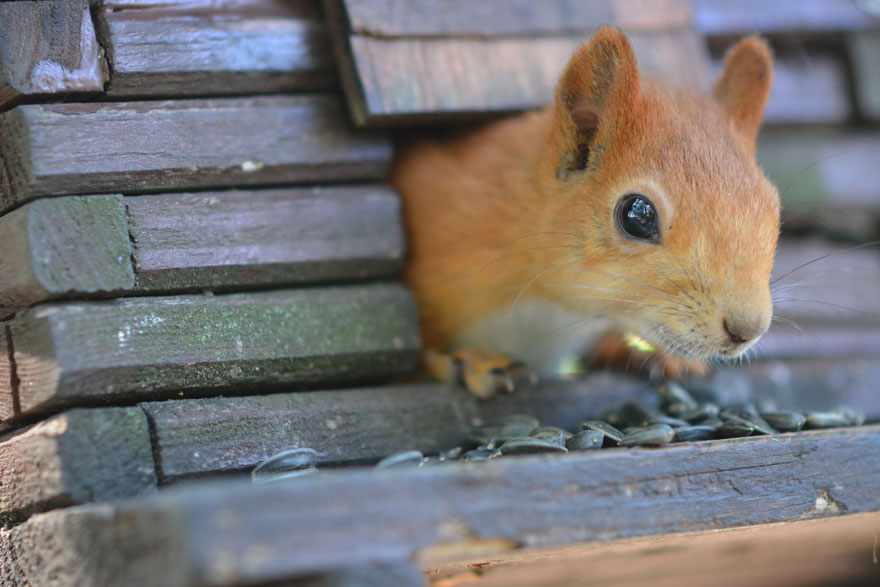
Have you been hearing strange scurrying noises, seeing nesting twigs strewn about, or finding your wires and insulation chewed up? You might have a squirrel problem in your attic. Day time activity at dawn and late afternoon is a classic squirrel pattern.
This article will guide you through how you can identify the signs of squirrels in attic spaces. Learn how to spot the specific damage, droppings, nesting materials, and noises in your Orange County, CA home.
Unusual Noises
One of the first indicators of a squirrel infestation in your attic is hearing unusual noises. Scratching and scurrying sounds, especially during dawn and dusk, are common since squirrels are most active at these times. Night-only noises often point to rats rather than squirrels. You may also hear thumping noises as squirrels run or jump around your attic space.
These sounds can be quite alarming and are often accompanied by chewing or gnawing noises. Squirrels constantly chew to sharpen their teeth and manage their growth, which means they will gnaw on different materials present in your attic.
Jot down time and location so a technician can target the exact cavities and soffits during inspection. Paying attention to these auditory signs can help you detect squirrel infiltrations way in advance, allowing you to engage squirrel control services before significant damage occurs.
Visible Damage
Squirrels can cause extensive visible damage to your attic and home. One of the most dangerous types of damage is to electrical wiring, disrupting power and posing a significant fire hazard. Fresh gnaw marks on wood and newly exposed wire sheathing indicate recent activity.
Inspect your attic for signs of gnawed wooden beams and support structures. You might also notice gnawed holes or gaps in your roofing and siding, which serve as entry points for the squirrels. Look along eaves, roof to wall joints, and around attic vents where edges can be pulled back.
Regularly checking your attic for these types of damage will assist you in catching and stopping a squirrel infestation before it becomes severe. Photographs of damage help plan repairs and verify reentry has stopped.
Droppings and Urine Stains
Another telltale sign of a squirrel infestation is the presence of droppings and urine stains. Squirrel droppings are small, dark, and cylindrical, resembling large grains of rice. These droppings are often found in areas where squirrels are active, such as near nests or feeding sites. Avoid sweeping dry droppings and dampen with disinfectant before cleanup.
You may also notice urine stains, which can lead to unpleasant odors in your attic. These stains are usually found on insulation or wooden beams and may appear as dark, damp patches. Odors that intensify on warm afternoons often point to saturated insulation near the nest. The smell of squirrel urine can be quite strong and persistent, so it should be hard to miss.
Nesting Materials
Squirrels use a variety of materials to build their nests, including twigs, leaves, and pieces of insulation. You might find these nests tucked away in the corners of your attic or near warm spots. Nests commonly sit near chimneys, ductwork, or can light housings.
The presence of nesting materials can indicate a long-term infestation, as squirrels tend to stay in one place once they have established a nest. These nests can damage your attic insulation, reducing its effectiveness and leading to higher heating and cooling costs. Removal should pair with deodorizing and insulation replacement to erase scent trails.
Moreover, nests can obstruct ventilation systems, causing moisture buildup and potentially leading to mold growth. Removing nests as soon as possible is critical to upholding the integrity of your home’s insulation and ventilation systems. Always verify no dependent young are present during spring and late summer.
Tracks and Footprints
Recognizing squirrel tracks in your attic can be an effective way to confirm their presence. In dusty or dirty areas, you may notice small footprints, typically with four toes on the front feet and five on the back. These tracks are relatively distinct due to their size and pattern. Tail drag marks can appear near frequent paths to the nest.
Unlike other pests, squirrel tracks are more elongated and show clear toe marks. Comparing these prints with those of other rodents will help you accurately identify the culprit. Follow prints and smudge marks along joists to locate entry points at soffits or vents.
Once you spot these tracks, follow them to see where they lead. Tracks often direct you to entry points or nests, helping you understand how squirrels are getting in and where they are residing.
Squirrel Sightings
Pay attention to possible squirrel activity around your property, especially near the eaves, roofline, and vents. Repeated traffic along utility lines to the same fascia spot often reveals the main entry. Frequent sightings of squirrels scurrying up walls or along utility lines suggest they have found a way into your attic.
Behavioral patterns such as carrying nesting materials or food into the attic space can also be a revealing sign. In Orange County, citrus trees and bird feeders increase local pressure, so trim branches and manage spillage.
Get Help with Squirrel Control at Best Pest & Wildlife Control
Being able to recognize the signs of squirrel infestations in your attic early is vital for your Orange County home. From unusual noises and noticeable damage to nesting materials, droppings, tracks, and sightings, these indicators provide clear evidence of squirrel activity that you should not ignore.
At Best Pest & Wildlife Control, we provide a full suite of wildlife removal services that are 100% humane, remediation services to restore your home, accompanied by pest protection and futureproofing services. From Colorado to California, we serve clients throughout the Western United States. Don’t wait for the damage to escalate; act now to safeguard your home from squirrel infestations.
CONTACT US FOR A FREE QUOTE
Feel free to give us a call or send us an email with any questions or comments you have.