- SPECIAL DISCOUNT
- 10% OFF on Full Home Recommendations + Free Consultation
- Excludes insulation services
- Contact Us
- Must mention at the time of booking

How To Tell If A Skunk Is Living Under The Deck Of Your Denver, CO Home
Quick Summary
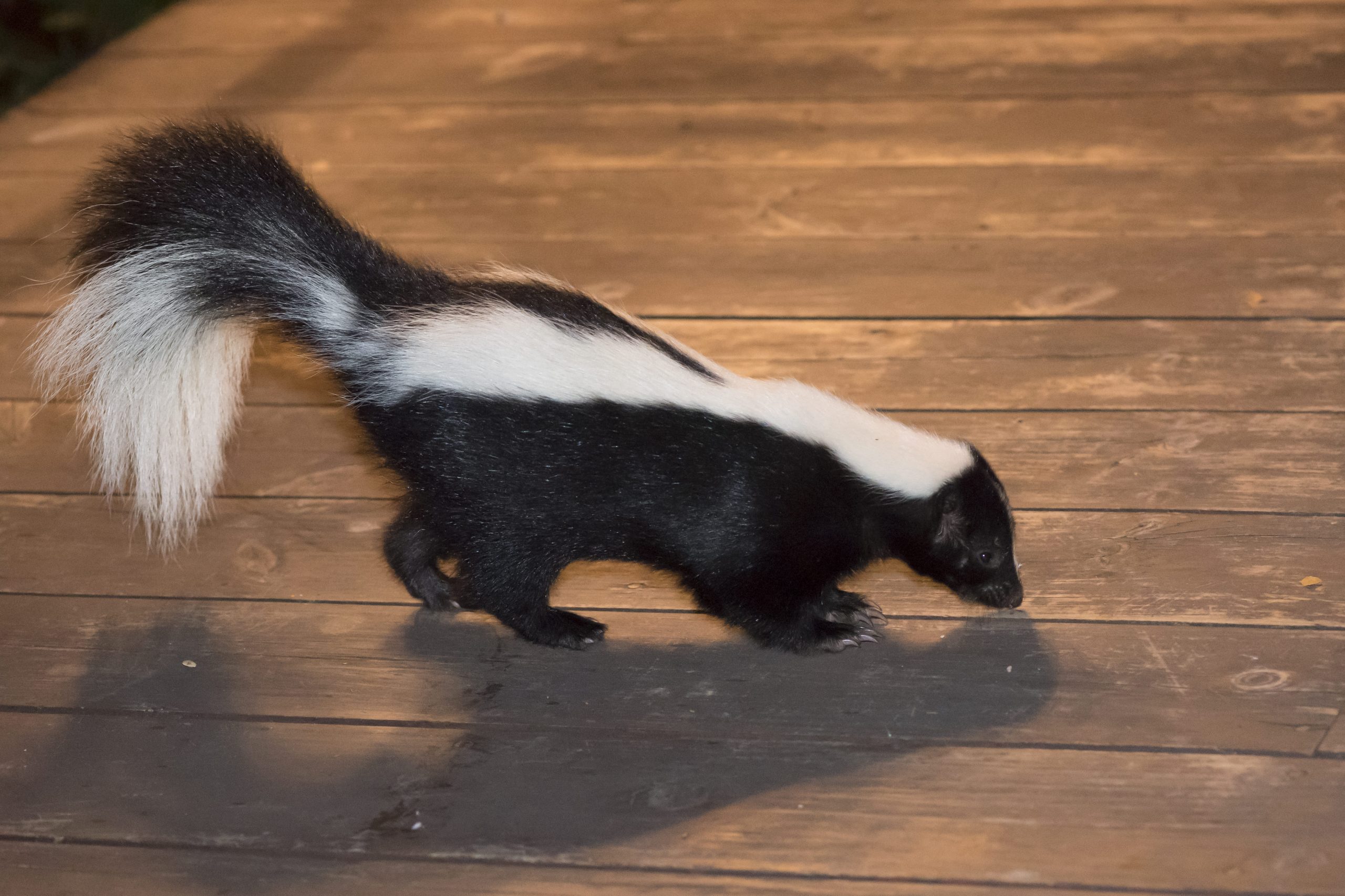
A deck can provide the perfect hiding spot for a skunk looking for shelter. If you notice unusual odors, digging around the deck, or nighttime activity in your yard, a skunk may have already moved in. Recognizing the early signs can help homeowners address the problem before it leads to property damage or unwanted encounters.
Most homeowners don’t spend much time thinking about what’s underneath their deck. It’s simply empty space that’s out of sight and out of mind. That changes quickly when strange smells begin drifting across the yard or your dog suddenly becomes very interested in a particular corner of the deck.
If you’re wondering how to tell if a skunk is living under your deck, there are several warning signs worth paying attention to. Skunks are common throughout the Denver area, and the protected space beneath a deck can make an attractive place for them to settle.
The earlier you recognize the signs, the easier it is to address the issue before the animal becomes a long-term resident.
Why Skunks Like Living Under Decks
From a skunk’s perspective, the space beneath a deck checks a lot of boxes.
It provides protection from weather, cover from predators, and a quiet place to rest during the day. Many decks also sit close to lawns, gardens, and landscaped areas where skunks can easily find food.
Female skunks looking for a safe place to raise young are especially attracted to sheltered spaces beneath structures.
Because the area is hidden from view, homeowners often do not realize a skunk has moved in until obvious signs begin appearing around the property.
The Smell Is Usually the First Clue
When people think about skunks, odor is usually the first thing that comes to mind.
While a strong spray event is hard to miss, a skunk living under a deck may create more subtle smells at first. Homeowners often notice occasional musky odors near the deck, around windows, or in parts of the yard closest to the den site.
The scent may seem stronger in the early morning or evening hours when skunks are most active.
A lingering odor does not automatically confirm a skunk is living beneath the deck, but it is often one of the first indicators that wildlife activity is present.
Look for Digging Around the Deck
Skunks are skilled diggers.
When creating a den site, they frequently excavate shallow openings along the perimeter of a structure. These access points allow them to move in and out while remaining protected.
Common signs include:
- Small holes near deck supports
- Loose soil around the deck edge
- Fresh dirt piles
- Openings leading underneath the structure
These entrances are often easy to overlook unless you’re specifically looking for them.
Your Dog May Notice Before You Do
Dogs often detect wildlife activity long before homeowners become aware of it.
If your dog repeatedly investigates one section of the deck, becomes excited near an opening, or starts barking at night, it may be responding to activity beneath the structure.
Unfortunately, curious dogs and skunks do not make a good combination.
Many Denver homeowners first discover a skunk problem after an unpleasant encounter between a pet and the animal living under the deck.
Nighttime Activity Around the Yard
Skunks are primarily nocturnal, which means most of their activity happens after dark.
You may not see them during the day, but signs of movement often appear overnight. Motion-activated cameras frequently reveal skunks entering and leaving deck areas after sunset.
Homeowners sometimes notice:
- Movement near the deck at night
- Rustling sounds
- Tracks in soft soil
- Disturbed landscaping
Because skunks tend to follow consistent routines, activity may occur around the same time each evening.
Lawn Damage Can Be Another Sign
Skunks spend much of their time searching for insects and grubs.
As they forage, they may dig small cone-shaped holes throughout the lawn. These holes are typically shallow but can become widespread if a skunk repeatedly feeds in the area.
When lawn damage appears alongside odors or digging near a deck, it can help paint a clearer picture of what is happening.
Not every damaged lawn points to a skunk, but it is one more clue homeowners should consider.
Why Homeowners Should Avoid Investigating Too Closely
Finding evidence of a skunk under the deck can make homeowners eager to confirm their suspicions.
The temptation is often to shine a flashlight into the opening or try to approach the animal directly. Unfortunately, this can increase the chances of a defensive spray.
Skunks generally prefer avoiding confrontation. However, if they feel trapped or threatened, they may react.
This becomes even more likely during breeding season or when young skunks are present.
For that reason, professional wildlife removal services in Denver CO typically recommend maintaining distance and allowing trained specialists to evaluate the situation.
Keep Skunks from Turning Your Deck into a Permanent Den Site
At Best Pest & Wildlife Control, we help homeowners throughout Denver and surrounding Colorado communities deal with skunk problems before they lead to larger issues around the property. Our team provides humane skunk removal, detailed inspections, exclusion work, entry-point repairs, and long-term prevention services designed to keep wildlife from returning.
If a skunk has been living under your deck, porch, shed, or other structure, we can also identify attractants around the property and recommend solutions that address the source of the problem. With more than 15 years of wildlife control experience, we focus on complete property protection instead of temporary fixes.
Contact Best Pest & Wildlife Control today to schedule your free inspection and consultation.
FAQs
Will a skunk only spray if it feels threatened?
In most situations, yes. Skunks use spraying as a defense mechanism and generally prefer to avoid confrontations whenever possible.
What time are skunks most active?
Skunks are usually most active from dusk through the overnight hours. This is when they search for food and move between den sites.
Can a skunk raise babies under a deck?
Yes. Female skunks often choose protected spaces beneath decks, porches, and sheds as den sites for raising young.
CONTACT US FOR A FREE QUOTE
Feel free to give us a call or send us an email with any questions or comments you have.