- SPECIAL DISCOUNT
- 10% OFF on Full Home Recommendations + Free Consultation
- Excludes insulation services
- Contact Us
- Must mention at the time of booking

How to Find a Rat’s Nest and Prevent Future Infestations
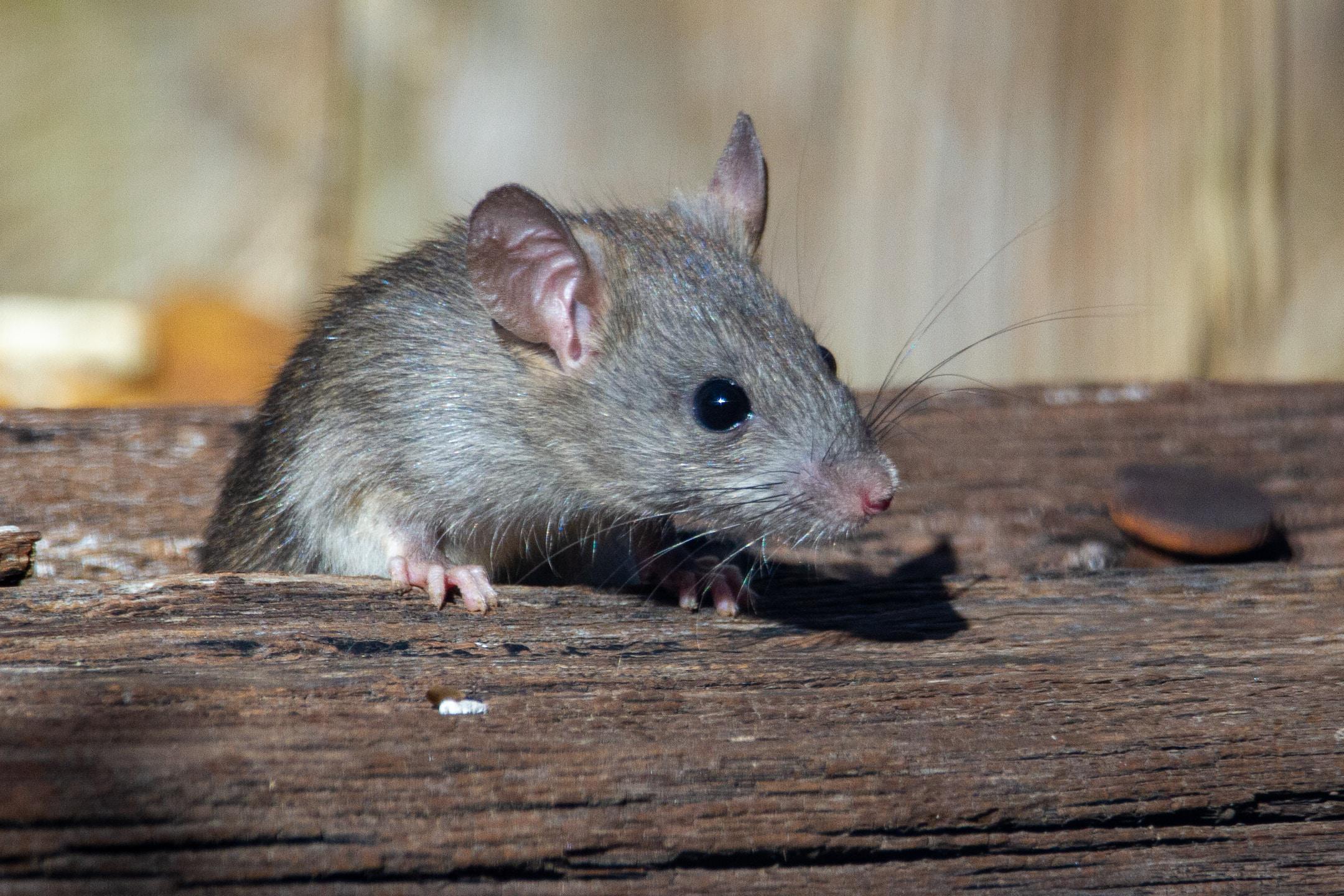
Rats are one of the most common household pests that can cause a lot of problems if not dealt with quickly. They are known to be carriers of various diseases and can cause significant damage to your property. That’s why it’s so alarming when you see signs they’ve infested your home. Early indicators such as fresh droppings, oily rub marks along baseboards, and scratching behind appliances usually appear before you see a live rat.
Our wildlife and pest control experts have outlined essential steps on how to find a rat’s nest, plus, we offer helpful tips that can help you keep them out once you’ve gotten rid of the infestation.
Rat Control Basics
Since rats are nocturnal creatures, you may not see them out and about during the day, and they can remain quite stealthy even when they’re awake and moving about. That makes it difficult to know if you have an infestation or not. However, when trying to figure out how to find a rat’s nest, you can keep an eye out for these signs. Follow walls and utility lines because rats prefer edges that provide cover and direct paths between food and shelter.
Rat Droppings.
One of the most obvious signs is the presence of droppings. Rat droppings are small, dark, and pellet-shaped. You may find them near food sources, in cupboards, or along walls. Darker, moist pellets indicate recent activity while dry, gray pellets suggest older routes.
Gnaw Marks.
This is another strong indication that you have an infestation. Rats have strong teeth and are known to gnaw on wires, pipes, and other materials. You may notice gnaw marks on furniture, walls, or even food packaging. Fresh gnawing appears light in color on wood and plastic, and repeated chewing on cable sheathing or pipe insulation can expose hazards that warrant quick professional repair.
Unpleasant Odors.
Rats also leave behind a strong, musty odor. If you notice a foul smell in your home, it could be a sign of rat infestation. Trace the odor gradient toward attics, crawl spaces, and under sinks where nests often sit near heat or water.
Dangers Of An Infestation.
Rats pose various health risks to humans and can transmit diseases such as leptospirosis, hantavirus, and salmonella. These diseases can cause fever, vomiting, and even death in severe cases. Rats can also contaminate food and water sources, leading to food poisoning. Avoid sweeping dry droppings and use disinfectant damp methods to reduce airborne particles.
In addition to health risks, rats can cause significant damage to your property. They can chew through wires, causing electrical fires, and damage pipes, leading to water damage. Rats can also cause structural damage by gnawing on wooden beams and insulation. Flattened trails and tunnels pressed through attic insulation can point you toward active nesting zones.
Pest Management Tips
If you suspect a rat infestation in your home, it’s essential to take action immediately. Here are some pest management tips to get rid of rats and prevent future infestations:
Seal Entry Points.
Rats can enter your home through small cracks and gaps in walls, floors, and ceilings. Seal any entry points with caulk or steel wool to prevent rats from entering. Reinforce larger openings with metal flashing or hardware cloth and cover vents with tight metal mesh so chewing does not reopen the pathway.
Remove Food Sources.
Rats are attracted to food sources, so you need to keep your kitchen clean and tidy. Store food in airtight containers and clean up any spills or crumbs immediately. Secure pet food and bird seed in sealed bins and elevate storage off the floor to reduce access.
Set Humane Traps.
Traps are an effective way to catch rats. There are various types of traps available, including snap traps and glue traps. Place traps in areas where you have noticed rat activity. Place snap traps perpendicular to walls along runways, pre bait without setting for one night to reduce trap shyness, then set multiple traps at once for a quicker knockdown.
Use Bait.
Bait is an excellent way to lure rats into traps. Use peanut butter, cheese, or other foods that rats are attracted to as bait. A small smear on the trigger works better than a large dollop and reduces theft without a catch.
Call A Professional.
If you have a severe rat infestation, it’s best to call a professional rat control service. They have the expertise and equipment to get rid of rats safely and effectively.
Are You Dealing With A Rat Infestation?
You don’t have to deal with it alone. Contact Best Pest & Wildlife Control and let our fully insured experts help you identify the source of your problem, get rid of your infestation, and help protect you from further problems in the future. Contact us to schedule your initial consultation.
CONTACT US FOR A FREE QUOTE
Feel free to give us a call or send us an email with any questions or comments you have.