- SPECIAL DISCOUNT
- 10% OFF on Full Home Recommendations + Free Consultation
- Excludes insulation services
- Contact Us
- Must mention at the time of booking

How Professionals Keep Your Chimney Mouse-Free All Year Round
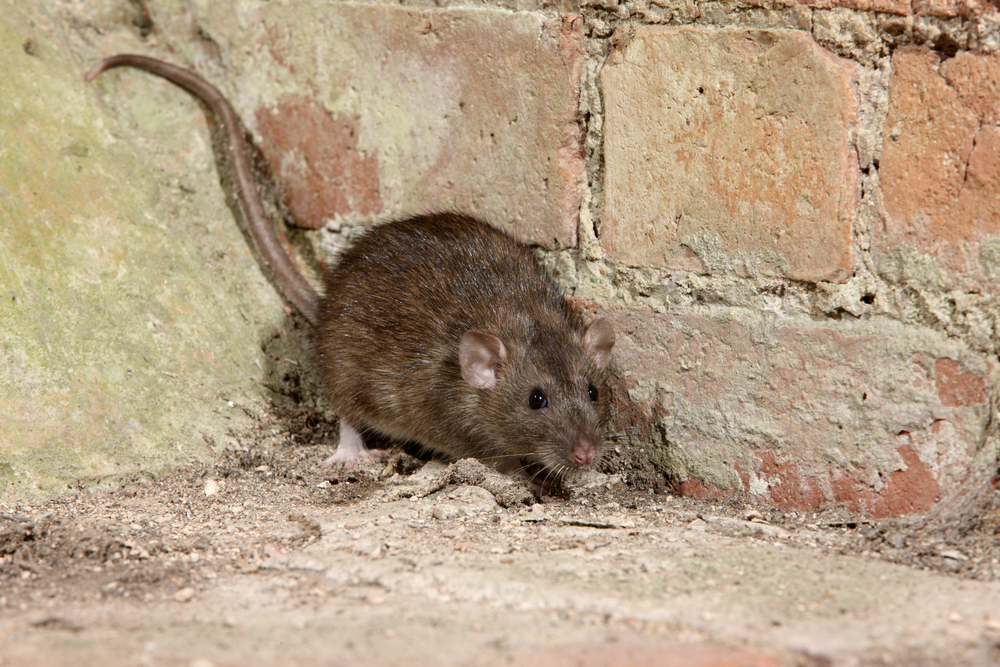
A chimney is designed to remove smoke and heat from a structure, not for scratching, rustling, or nighttime activities. But chimneys are one of the most common entry points for wildlife trying to access a residential structure. Mice, in particular, love them, as they provide shelter, vertical access, and minimal traffic.
When there are mice in a chimney, the problem rarely ends there. Chimneys connect to attics, wall cavities, and sometimes floor levels. As a result, mice have a protected route to the body of the structure. That is why wildlife control services see chimney activity as an access issue rather than a nuisance.
At Best Pest & Wildlife Control LLC, we draw on more than 15 years of experience and a deep understanding of wildlife behavior to solve mouse activity in homes and structures with humane, effective strategies.
Why Chimneys Are Prime Wildlife Entry Points
From a wildlife perspective, chimneys are easy targets. They are tall, well-protected, and a part of the structure that is rarely maintained. Minor openings at the top or just below the roofline make for simple entry.
Mice interact with chimneys in various ways. Some nest in the flue, while others use them as a highway to gain access to warmer areas of the structure. Rooflines, flashing, and siding transitions around chimneys often have unexplored gaps that mice use for access.
Seasonal changes impact how often structures become a target. Cooler temperatures bring wildlife closer to potential nests, while spring and summer might produce nesting behavior. As a result, a chimney that was quiet for months may become active without warning.
Inspection Comes Before Any Removal
Professional mouse control services always start with an inspection. Without a detailed inspection process, any removal efforts are only likely to treat the symptoms of the problem rather than the cause.
Some of the areas professional services will inspect include:
- Presence or absence of a chimney cap
- Gaps in masonry or roof connections
- Signs of nesting or animal traffic
- Flue connections to walls or attic spaces
- Visible exterior access points along the roofline
This inspection helps answer important questions. How are mice getting in? Are they using it as a nest or just passing through? How long have they been here?
Careful documentation provides professional services with the information they need to create an approach that tackles the issue from a structural perspective instead of reacting to visible symptoms.
Humane Eviction Based on Wildlife Behavior
Professionals use humane eviction techniques rather than brute removal tactics. The objective of humane eviction is to allow mice to exit while preventing re-entry.
This will often involve:
- Allowing access out of the chimney but making access to the body of the structure impossible
- Restricting access points
- Timing when this work is done in conjunction with sealing and wildlife exclusion efforts
Simply removing mice from a chimney without considering how they got there can lead to them infesting an even more confined space within the body of the structure (like within walls). Even if it does not end up this way, professionals account for wildlife movement patterns so that removal is done carefully and intentionally.
The objective of this careful eviction process is to avoid damage to the structure and repeat occurrences that often follow poorly planned removal efforts.
Chimney Caps Are a Core Defense
One of the most effective long-term strategies that professionals will use to prevent access into a chimney again is installing a cap at the top. This cap prevents wildlife access and protects against debris falling into the chimney flue.
A chimney cap does not just protect against mice (although that is its primary purpose). It prevents a range of wildlife species that commonly target chimneys.
Proper installation matters. The cap should fit over the flue properly while allowing for air movement. It should also be able to withstand exposure over time. Lightweight caps bend easily. Proper installation takes flexibility and structural integrity into account.
With a properly installed chimney cap, the risk of wildlife gaining access is significantly reduced. It also provides protection against debris building up within it.
Sealing the Structure Around the Chimney
Access into the structure is often not limited to the chimney opening alone. Wildlife usually gains access through small openings around the base of the chimney or where it meets the roofline.
Common areas that need sealing include:
- Gaps where the chimney meets the roof
- Cracks in aging masonry or mortar
- Areas affected by water damage or structural shifting
This sealing is vital if any real and long-term prevention work will be completed. This work is more about durable outcomes than quick fixes.
Materials used in sealing exterior gaps must be able to withstand significant changes in temperature, exposure to moisture, or weathering. The focus should be on preventing future damage rather than anticipating problems with bad sealing work.
Cleaning Removes Attractants
No eviction process is complete without follow-up cleaning. Eviction alone does not remove nesting debris or waste that create scent markers.
Careful cleaning work will often include:
- Removing debris like nesting materials inside the chimney
- Sanitizing areas in storage attics or wall cavities beside where mice were using these spaces as nests
- Attempting to deodorize areas so that scent markers left by previous tenants are avoided
Cleaning can seem like an added step following wildlife eviction work, but it is necessary for long-term success.
Seasonal Prevention Keeps Problems from Returning
Wildlife operates on seasonal and cyclical behaviors. In late fall and winter, professionals will conduct inspections tto make sure no access points remain open after wildlife has entered previously unoccupied spaces within structures.
During these months, mouse control measures include:
- Installing caps on chimneys
- Sealing entry points
- Reducing attractants around chimneys
Spring often brings with it environmental changes and activity from wildlife looking for a nesting environment. Follow-up inspections ensure that no new access points popped up or if any repairs from previous inspections held up during winter storms.
Late summer inspections ensure that caps were installed correctly or if sealing work can withstand heat exposure from summer months. This seasonal approach prepares chimneys regardless of challenges put forth by seasonal changes.
Trusted Chimney Mouse Removal and Remediation Services
If mice are using your chimney or moving through nearby spaces, we handle the problem at the source. At Best Pest & Wildlife Control LLC, our team focuses on wildlife behavior, access points, and long-term prevention, not quick surface fixes. Serving clients throughout the Western United States, we start with a detailed inspection, identify how mice are entering, and carry out humane eviction paired with exclusion work to stop repeat activity.
Chimney access, rooflines, attic connections, and surrounding gaps are all addressed as part of one plan. We also handle cleanup and remediation when needed, so the area is left in better condition than before. If scratching, movement, or chimney-related activity has become routine, we can take care of it and help keep it from coming back. Reach out to us anytime!
CONTACT US FOR A FREE QUOTE
Feel free to give us a call or send us an email with any questions or comments you have.