- SPECIAL DISCOUNT
- 10% OFF on Full Home Recommendations + Free Consultation
- Excludes insulation services
- Contact Us
- Must mention at the time of booking

How Professionals In Castle Pines, CO Clean Up After Rat Infestation In Crawlspace
Quick Summary
A rat infestation can leave more than just unwanted rodents behind. Crawl spaces often contain droppings, urine contamination, nesting materials, damaged insulation, and lingering odors long after rats are removed. Professional cleanup services focus on removing contaminated materials, sanitizing affected areas, restoring damaged insulation, and helping prevent future infestations. This guide explains how experts in Castle Pines, CO approach crawl space remediation after a rat problem.
Finding rats in your crawl space is stressful enough. Unfortunately, removing the animals is often only the first step. Many homeowners are surprised to learn that the real work begins after the infestation is gone.
If you’ve searched for information about how to clean rat droppings, you’ve likely discovered that the process involves much more than sweeping up visible waste. Rat infestations can contaminate insulation, create odors, damage building materials, and leave behind nesting debris that continues to affect the property long after the rodents have been removed.
Professional wildlife removal services in Castle Pines, CO take a comprehensive approach to cleanup. Instead of focusing solely on the animals, they address the contamination, damage, and conditions that allowed the infestation to occur in the first place.
Why Crawl Spaces Often Become Rat Havens
Crawl spaces provide many of the things rats look for when searching for shelter. They are typically dark, protected from predators, and rarely disturbed by people. In addition, crawl spaces often provide easy access to insulation, plumbing lines, wiring, and structural elements that rodents can use for nesting and travel.
In Castle Pines, seasonal weather changes can also encourage rats to seek protected indoor spaces. During colder months, crawl spaces offer warmth and shelter. Once rats establish themselves inside, they can quickly expand their activity throughout the structure.
Homeowners may never see the rodents directly. Instead, they often discover signs such as scratching noises, unusual odors, damaged insulation, or evidence uncovered during inspections.
Because crawl spaces are out of sight, infestations can continue for extended periods before they are detected.
The Hidden Damage Rats Leave Behind
One of the biggest misconceptions about rat infestations is that the problem disappears once the rodents are removed. In reality, the contamination often remains.
As rats occupy a crawl space, they continuously leave behind waste and debris. Over time, this accumulation can affect both the condition of the crawl space and the overall environment within the home.
Common issues include:
- Large concentrations of droppings
- Urine contamination
- Nesting materials
- Chewed insulation
- Damaged vapor barriers
- Gnawed wiring and pipes
- Strong odors
These conditions often worsen the longer an infestation remains active. What appears to be a minor rodent issue may involve extensive contamination beneath the home.
Why Professional Cleanup Matters
Many homeowners are tempted to handle crawl space cleanup themselves. While that may seem like a way to save money, remediation after a rat infestation often requires specialized equipment, protective gear, and a structured cleanup process.
Rat control services in Castle Pines CO understand how contamination spreads throughout a crawl space environment. They also know how to identify affected materials that may need removal or replacement.
Simply removing visible droppings rarely addresses the entire problem. Rat urine can soak into insulation and structural materials. Nesting debris may be hidden in difficult-to-access areas. Odors can linger long after the infestation ends.
Professional cleanup focuses on restoring the crawl space as completely as possible rather than providing a surface-level solution.
Step One: Thorough Crawl Space Inspection
Before cleanup begins, remediation specialists perform a detailed inspection of the affected area.
The goal is not only to identify contamination but also to assess the extent of the infestation and any resulting damage.
During the inspection, professionals typically evaluate:
- Areas containing droppings
- Contaminated insulation
- Nesting sites
- Structural damage
- Ventilation conditions
- Entry points used by rats
- Moisture issues that may attract rodents
This inspection creates a roadmap for the remediation process.
Rather than treating every crawl space the same way, professionals tailor their approach to the specific conditions found beneath the home.
Step Two: Safe Removal of Contaminated Materials
One of the most important stages of cleanup involves removing contaminated materials.
In many cases, insulation absorbs urine and odors during an infestation. Once this happens, cleaning alone may not fully restore the material.
Professionals often remove:
- Soiled insulation
- Nesting materials
- Heavily contaminated debris
- Damaged vapor barriers
- Waste accumulations
This process helps eliminate a significant source of contamination from the crawl space.
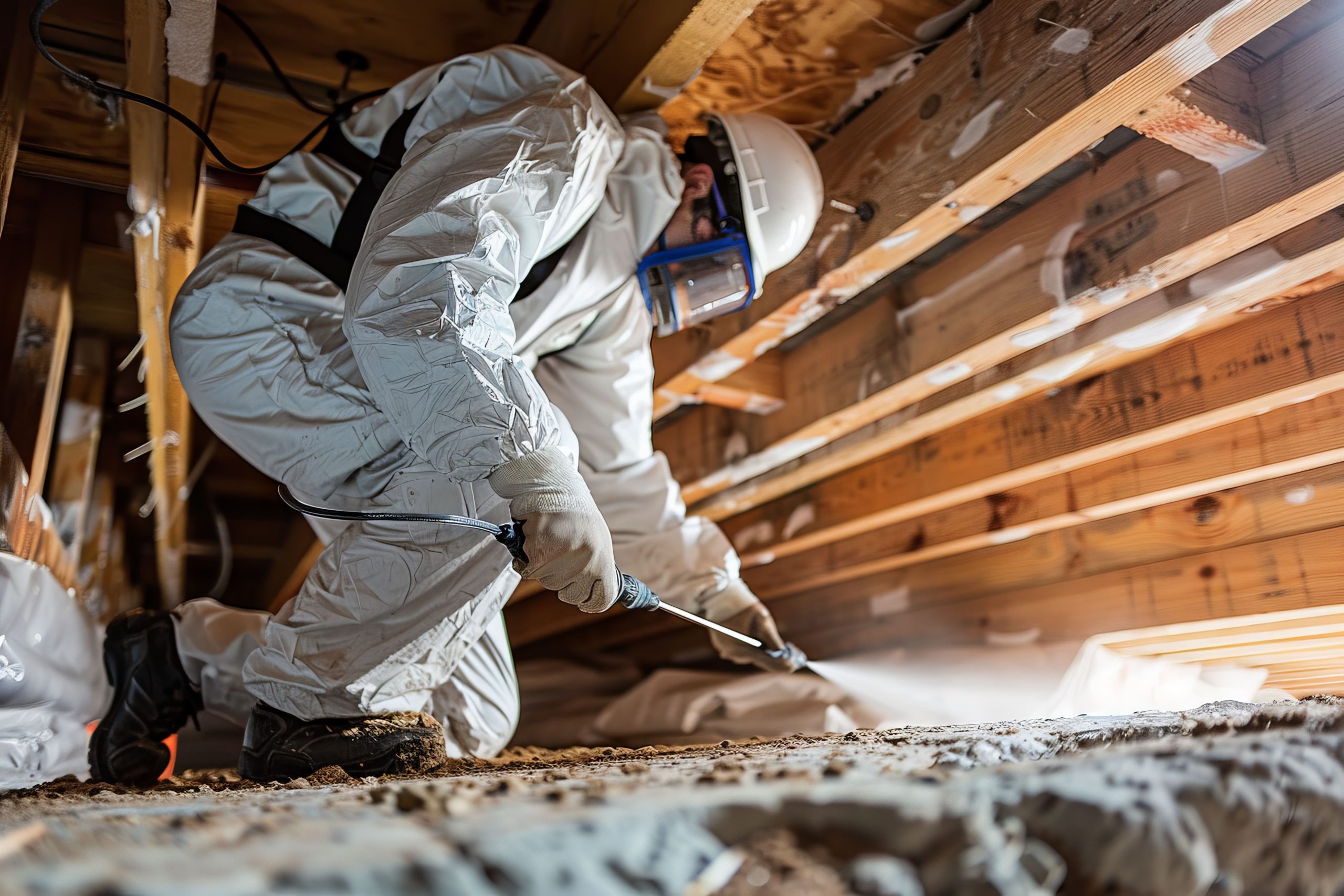
Removal is performed carefully to limit the spread of particles throughout the area. Specialized equipment and containment practices help reduce disturbance during cleanup activities.
Step Three: Detailed Dropping and Debris Removal
After contaminated materials have been removed, professionals focus on eliminating remaining waste.
Rat droppings are often scattered throughout crawl spaces. Some may be visible while others are hidden beneath insulation or around structural components.
Cleanup crews use commercial-grade equipment designed to collect and remove waste efficiently.
This stage may involve:
- Vacuuming debris
- Collecting droppings
- Removing nesting remnants
- Cleaning difficult-to-reach areas
The objective is to leave the crawl space free from accumulated rodent waste and debris.
This phase often takes longer than homeowners expect, particularly in larger crawl spaces or severe infestations.
Step Four: Sanitization and Decontamination
Once physical debris has been removed, professionals begin sanitization procedures.
This stage targets contamination that remains on surfaces after cleanup. Sanitization products are applied to affected areas to help address bacteria, odors, and residue left behind by rodents.
Professionals may treat:
- Structural framing
- Subfloor surfaces
- Support beams
- Utility penetrations
- Crawl space flooring
- Accessible wall surfaces
The exact process depends on the severity of contamination and the condition of the crawl space.
Sanitization helps improve overall cleanliness and prepares the area for any restoration work that follows.
Addressing Odors After a Rat Infestation
Lingering odors are one of the most common complaints Castle Pines CO homeowners have after rodent activity.
Even after rats are gone, odor-producing contaminants can remain trapped in insulation, wood, and other materials.
Professional remediation focuses on locating and removing the sources of those odors rather than masking them.
Odor control may involve:
- Removal of contaminated materials
- Deep cleaning procedures
- Sanitization treatments
- Air quality improvement measures
By addressing the source of the smell, professionals help create longer-lasting results.
Restoring Damaged Crawl Space Insulation
Insulation often suffers extensive damage during rat infestations.
Rats frequently tunnel through insulation to create nesting areas. They may shred materials, contaminate them with waste, or compress them to the point where performance is reduced.
After cleanup is completed, professionals evaluate the condition of existing insulation and determine if replacement is needed.
New insulation can provide several benefits:
- Improved energy efficiency
- Better temperature regulation
- Cleaner crawl space conditions
- Enhanced comfort throughout the home
Insulation replacement is often an important component of full crawl space restoration.
Finding and Sealing Rat Entry Points
Cleanup alone will not prevent future rat infestations if they can still access the crawl space.
Professional wildlife specialists carefully inspect the structure to identify openings that rodents may have used.
Common access points include:
- Utility penetrations
- Foundation gaps
- Vent openings
- Construction joints
- Damaged screening
Once identified, these vulnerabilities can be addressed through exclusion work.
Exclusion is one of the most valuable services offered by wildlife professionals because it focuses on preventing future activity rather than reacting to recurring infestations.
Signs Your Crawl Space May Need Professional Remediation
Even after rats are removed, homeowners should continue watching for signs that cleanup and restoration services may be necessary.
Common indicators include persistent odors, damaged insulation, visible droppings, and evidence of nesting activity.
Additional warning signs may include increased allergy-like symptoms inside the home, unusual crawl space conditions, or discoveries made during routine property inspections.
If contamination remains present, professional remediation can help restore the space and address lingering concerns.
Restore Your Crawl Space with a Complete Wildlife Remediation Solution
At Best Pest & Wildlife Control, we do more than remove rats from your property. We provide full-home wildlife solutions designed to address the damage and contamination left behind after an infestation.
Our team handles crawl space cleanup, animal waste removal, sanitization, disinfectant treatments, insulation removal and replacement, wildlife damage repairs, and exclusion work to help reduce future rodent activity. We also inspect for entry points and structural vulnerabilities that many companies overlook.
Serving homeowners throughout Castle Pines and surrounding Colorado communities, we focus on long-term property protection instead of temporary fixes. Contact us today to schedule your free home inspection and learn more about our remediation services.
FAQs
Can I clean up a rat-infested crawl space myself?
Small amounts of rodent activity may seem manageable, but larger infestations often involve widespread contamination. Professional remediation teams have specialized equipment, protective gear, and experience working in confined spaces.
How long does crawl space cleanup take?
The timeline depends on the size of the crawl space, the severity of contamination, and the amount of restoration required. Some projects may take a day, while larger remediation efforts can require additional time.
Will odors disappear after cleanup?
In many cases, odors improve significantly once contaminated materials are removed and sanitization is completed. Addressing the source of the odor is typically more effective than relying on temporary odor-masking products.
CONTACT US FOR A FREE QUOTE
Feel free to give us a call or send us an email with any questions or comments you have.