- SPECIAL DISCOUNT
- 10% OFF on Full Home Recommendations + Free Consultation
- Excludes insulation services
- Contact Us
- Must mention at the time of booking

How Professionals Get Rid Of Raccoons In California
Quick Summary
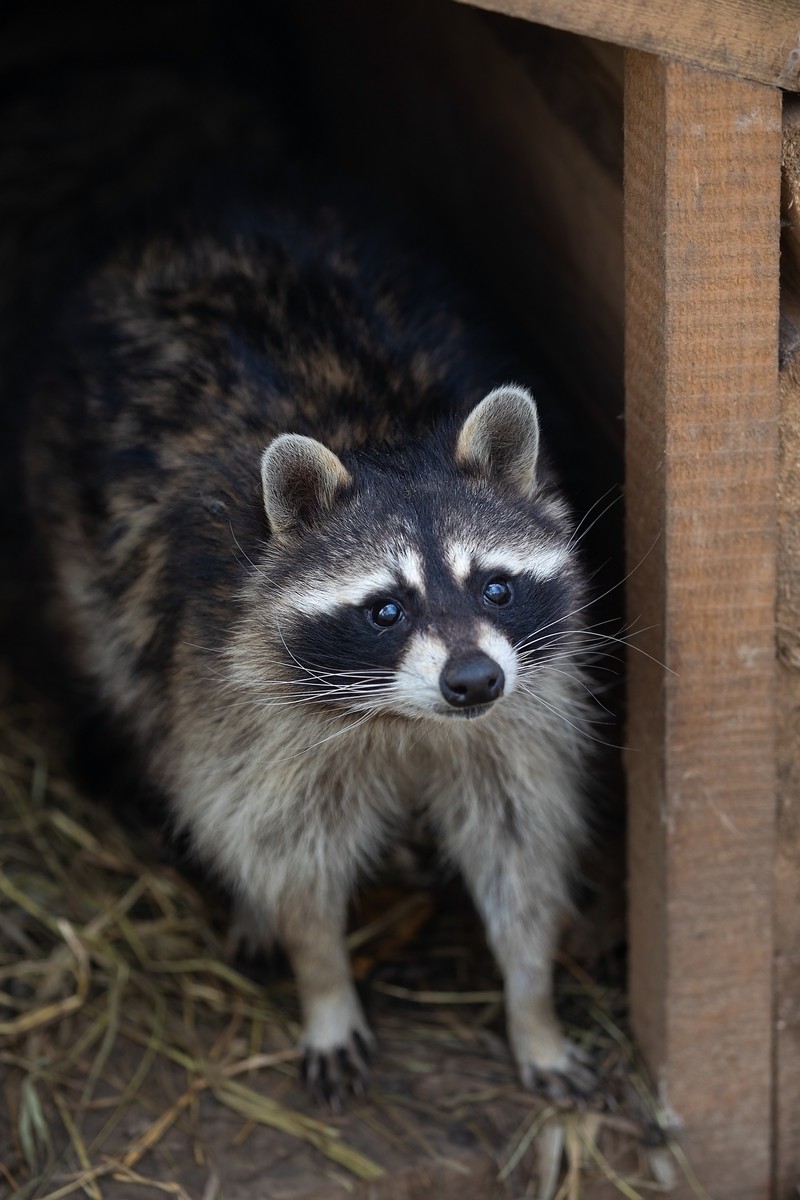
Raccoons are smart, strong, and surprisingly comfortable living a few feet above your kitchen ceiling. If you’ve been searching for how to get rid of raccoons in California, you’ve probably already heard scratching in the attic or found trash scattered across the yard overnight.
Professional raccoon removal in CA follows a clear process built around state wildlife rules, humane trapping, and home repair work, not a spray bottle or a trap picked up at the hardware store.
Why Raccoons Love California Homes
California’s mild climate and sprawling neighborhoods sit right on top of what used to be raccoon habitat. Attics, chimneys, and crawlspaces mimic the hollow trees and dens raccoons naturally seek out, minus the wind and rain. Add open trash cans, pet food left outside, and fruit trees in the backyard, and a house becomes an easy meal ticket. Once a raccoon finds a warm, dry attic with food nearby, it settles in and often brings a litter of babies along with it.
Spring is usually the busiest season for calls, since female raccoons look for a quiet, sheltered spot to give birth around this time. A single attic can house a mother and four or five kits within weeks, and once that happens, the noise and mess only grow. Coastal and suburban areas of Orange County see this pattern often, thanks to a steady mix of older homes, mature trees, and neighborhoods that back up to open space or greenbelts.
Step 1: A Full Property Inspection
Every legitimate raccoon removal starts with a walk around the property, inside and out. A technician looks for tracks, droppings, torn vents, flattened insulation, and any gap along the roofline large enough for a raccoon to squeeze through. Chimneys, soffits, and gable vents get special attention since raccoons use their paws and body weight to widen small openings over time. This step tells the technician exactly how many animals are involved, how long they’ve been there, and where they’re coming and going.
Step 2: Humane Trapping Under California Law
California classifies raccoons as a rabies vector species, which changes how removal has to happen. State rules don’t allow trapped wildlife to be driven off and released somewhere new, so professionals generally release on-site or handle the animal according to state wildlife guidelines rather than the DIY approach of driving it across town. Live cage traps get checked daily, and if babies are found without their mother nearby, a wildlife rehabilitation center often gets involved to keep the family together or give the young ones proper care.
Step 3: Sealing Every Entry Point
Removing the raccoon solves half the problem. The other half is making sure a new one doesn’t move in next month. One-way doors let a raccoon exit an attic on its own schedule without letting it back inside, and once the space is confirmed empty, every other opening gets sealed with heavy-gauge material raccoons can’t tear through. Chimney caps, vent covers, and reinforced roofline gaps round out this stage, and it’s often the part homeowners skip when trying to handle things alone.
Step 4: Cleanup, Sanitizing, and Repair
Raccoon droppings can carry roundworm and other pathogens, so attics that housed a family of raccoons usually need more than a quick sweep. Soiled insulation gets removed and replaced, surfaces get disinfected, and any chewed wiring or damaged wood from the raccoon’s stay gets repaired. This last piece is where minor construction knowledge comes in handy, since a poorly patched hole is just an invitation for the next animal.
Why DIY Raccoon Removal Falls Short
Raccoons are clever enough to avoid poorly placed traps and strong enough to break weak fixes within days. Handling one without training also carries real exposure risk, since bites and scratches from a rabies vector species are no small thing. There’s also the legal side. Many DIY attempts run into trouble by moving trapped raccoons somewhere they’re not allowed to be released. Add in the chance of separating babies from their mother, and a well-meaning fix can turn into a bigger mess than the one you started with.
Store-bought repellents hardly ever hold up past a few nights, and a raccoon that’s already comfortable in your attic tends to just wait out the smell or noise. Trapping without a plan for the entry point is another common misstep, since a raccoon removed today leaves a wide-open door for the next one. Between the licensing requirements, the physical risk, and the odds of the job not sticking, most homeowners end up saving time and money by calling in a trained team from the start.
Let Best Pest & Wildlife Control Handle It for You
We built Best Pest & Wildlife Control around one idea: fix the whole problem, not just the part you can see. Our licensed technicians serve California homeowners with free inspections, humane trapping that follows state wildlife rules, full exclusion work, and attic cleanup all handled by the same team.
We’re proudly local, fully insured, and known for showing up with pricing and photos before any work begins, so nothing is a surprise. Give us a call today and let’s get those raccoons out for good.
FAQs
How long does professional raccoon removal take?
Most jobs wrap up within a week or two, though trapping time depends on how many raccoons are involved and if babies need to be located first.
Can raccoons come back after removal?
Yes, if entry points aren’t sealed. That’s why exclusion work, not just trapping, is the part that keeps them from returning.
What are signs of raccoons in the attic?
Listen for heavy footsteps or scratching at night, and look for torn vents, matted insulation, droppings, and greasy rub marks around entry points.
CONTACT US FOR A FREE QUOTE
Feel free to give us a call or send us an email with any questions or comments you have.