- SPECIAL DISCOUNT
- 10% OFF on Full Home Recommendations + Free Consultation
- Excludes insulation services
- Contact Us
- Must mention at the time of booking

How Attic Restoration Services Can Help New Mexico Homes Recover After Wildlife Removal
Quick Summary
Wildlife removal takes care of the animal, but it does not undo the mess left behind in an attic. This page covers what raccoons, bats, and rodents typically leave behind, why restoration matters for both health and energy efficiency, and the steps involved in bringing an attic back to a safe, usable condition.
An attic that housed a family of raccoons or a colony of bats for even a few weeks never looks the same once the animals are gone. Attic restoration New Mexico homeowners search for usually comes right after a successful removal, once the scope of the damage becomes clear: soiled insulation, chewed wiring, and a lingering odor that does not go away on its own.
Professional wildlife removal handles the animal side of the problem, but restoration is what makes an attic safe to use again. We put together this guide to explain what that process typically involves.
What Wildlife Leaves Behind in an Attic
Raccoons, bats, and rodents all leave more than an empty nest once they move out or get removed. Droppings and urine soak into insulation and wood over time, creating stains and odors that persist long after the animal is gone. Chewed wiring, torn ductwork, and compressed or displaced insulation are common, along with nesting material made from shredded paper, fabric, or leaves.
Bat colonies in particular can leave behind a substantial buildup of guano, which carries its own set of health considerations separate from general animal waste. Even after the visible mess is cleared away, residual odor can linger in fabric-like materials such as insulation for weeks without proper treatment.
Why Restoration Matters After Removal
Skipping restoration after a wildlife removal leaves more than a mess behind. Contaminated insulation loses much of its effectiveness, which drives up heating and cooling costs long after the animal is gone. Lingering odors can spread into living spaces through vents and ductwork, and damaged wiring left unaddressed raises the risk of an electrical short.
Wildlife control services in New Mexico that treat removal and restoration as one connected process tend to leave a home in noticeably better condition than removal alone. Homeowners who skip this step often find themselves dealing with the same issues resurfacing months later, even after the original wildlife problem has been fully resolved.
Sanitizing and Disinfecting Contaminated Areas
Cleaning an attic after a wildlife issue involves more than a quick wipe-down. Contaminated insulation and materials typically need to be removed and disposed of properly, followed by disinfecting the affected surfaces to eliminate bacteria, parasites, and lingering odor sources.
Attic restoration and cleanup at this stage focuses on making the space safe again, not just visibly clean, since many of the health risks tied to animal waste are not something a person can see or smell once the worst of it has been removed.
Insulation Removal and Replacement
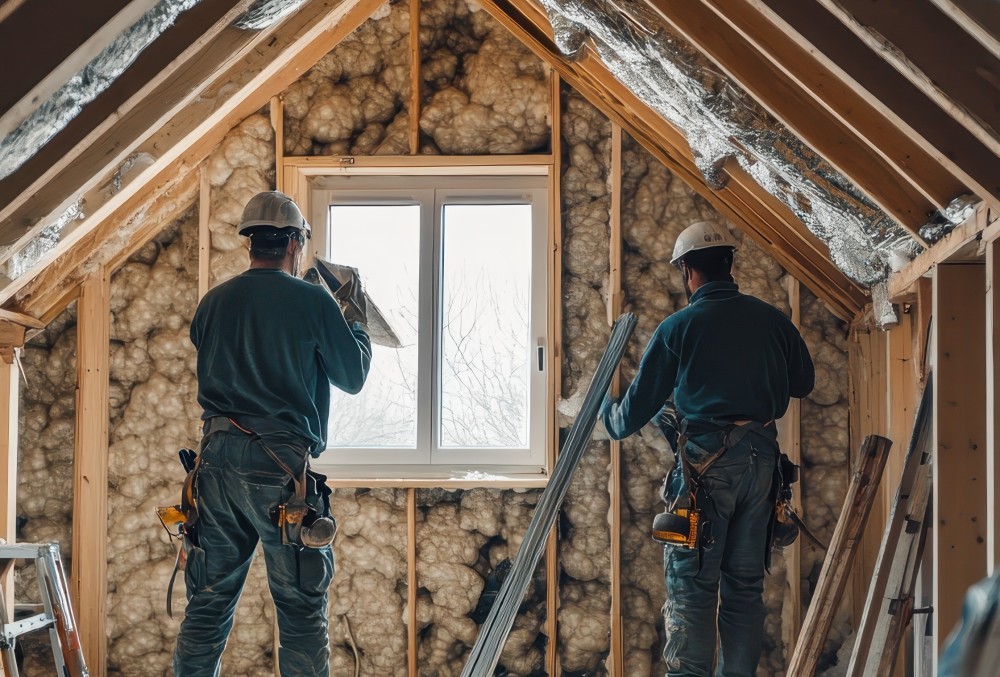
Once an attic has been cleaned and disinfected, damaged insulation typically needs to be replaced rather than reused. Compressed, soiled, or torn insulation no longer performs the way it should, and leaving it in place undermines the value of the restoration work already completed.
New Mexico’s temperature swings between hot summers and cold winter nights make properly functioning insulation especially important, as energy costs can climb quickly once an attic stops doing its job.
Repairing Structural and Entry Point Damage
The final stage of restoration addresses the damage that let wildlife in and the damage caused once they were inside. This can include repairing chewed wood, replacing damaged vents, and reinforcing weak points around the roofline.
Exclusion services typically wrap up this stage, sealing off the same entry points that caused the original problem so a fully restored attic does not end up right back where it started.
Let Best Pest & Wildlife Control Restore Your Attic
An attic is not truly finished until the damage left behind is repaired, not just the animal removed. At Best Pest & Wildlife Control, we handle the full process, from sanitizing contaminated areas to replacing damaged insulation and sealing the entry points that caused the problem in the first place.
Our technicians bring over 15 years of experience to homes across Albuquerque, Santa Fe, and the rest of New Mexico, backed by full state licensing and a fully insured team. Reach out today to schedule a free inspection and get your attic back to a safe, usable condition.
Contact us today or call (866) 692-1793 to get started.
FAQs
How long does attic restoration take after wildlife removal?
Most attic restoration projects take one to three days depending on the extent of the damage and the size of the attic. Larger jobs involving full insulation replacement or significant structural repair can take longer.
Is attic restoration necessary if the damage looks minor?
Even minor visible damage can hide bigger issues underneath, like compressed insulation or bacteria in areas that look clean at first glance. A professional inspection is the most reliable way to confirm the actual scope of the problem.
Will insurance cover attic restoration after a wildlife issue?
Coverage varies by policy and provider, so it is worth checking directly with an insurance company about what wildlife-related damage qualifies. Many restoration providers can supply documentation and photos to support a claim.
CONTACT US FOR A FREE QUOTE
Feel free to give us a call or send us an email with any questions or comments you have.