- SPECIAL DISCOUNT
- 10% OFF on Full Home Recommendations + Free Consultation
- Excludes insulation services
- Contact Us
- Must mention at the time of booking

How Animal Removal Services Protect New Mexico Homes From Wildlife Intruders
Quick Summary
New Mexico homes deal with a wide range of wildlife intruders, from raccoons and bats to rodents looking for shelter from the desert heat or winter cold. This page covers the animals most likely to show up, the risks of leaving them alone, and how a professional removal service handles the problem from start to finish.
Hearing scratching in the attic or finding tracks near the foundation is usually the first sign that something has moved in without an invitation. Wildlife removal New Mexico homeowners search for typically starts after an animal has already caused some level of damage, from chewed wiring and torn insulation to droppings scattered across a crawl space.
Professional wildlife removal addresses both the animal and the reason it got inside in the first place. We put this guide together to explain what that process actually involves.
Common Wildlife Intruders in New Mexico Homes
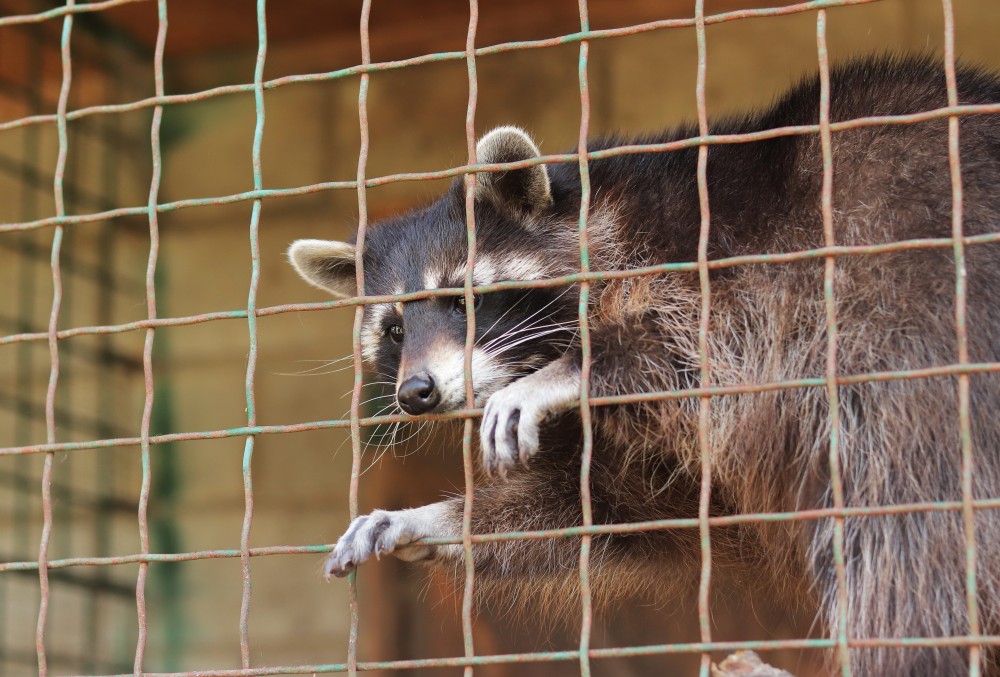
Raccoons, bats, and rodents top the list of animals that turn up in New Mexico attics, garages, and crawl spaces. Raccoons take advantage of gaps around rooflines and chimneys, bats roost in warm, dark spaces close to the roofline, and mice or rats squeeze through openings barely bigger than a coin.
Skunks and squirrels round out the list, often drawn in by the same combination of shelter, food, and easy access that attracts everything else. Correctly identifying the species matters, since the right approach for a raccoon looks nothing like the right approach for a colony of bats.
Signs You May Have a Wildlife Problem
Scratching or thumping sounds in the attic, especially at night, are often the first clue that something has moved in. Other signs include a strong musky odor building up in an enclosed space, chewed wiring or wood found during a routine inspection, and greasy rub marks along walls or vents where an animal repeatedly travels the same path.
Droppings near entry points or inside the attic are another common giveaway, and the type of droppings often helps narrow down which species is responsible. Catching these signs early, before an animal has time to nest and settle in, usually means a faster and less involved removal process overall. Some signs overlap between species, which is part of why a professional inspection tends to catch details an untrained eye might miss.
The Risks of Leaving Wildlife Unaddressed
Wildlife left alone rarely stays contained to one part of a home. Raccoons and rodents chew through wiring and insulation, which raises the risk of electrical damage and drives up energy costs from compromised attic insulation.
Droppings and urine left behind can carry bacteria and parasites, creating a health risk that grows the longer an animal stays in place. Wildlife control services built to address multiple species at once tend to catch these secondary issues before they turn into a much larger repair bill.
How Professional Wildlife Removal in New Mexico Works
A typical visit starts with an inspection to identify the species involved and every point where it gained entry. From there, a technician builds a plan around humane trapping or one-way exclusion doors, depending on the animal and the situation, so wildlife can leave safely without getting back in.
Exclusion services follow immediately after removal, sealing entry points with materials built to hold up against determined wildlife rather than temporary patches that rarely last a full season. Every visit typically includes documentation of what was found and what was repaired, giving homeowners a clear record of the work completed.
Preventing Wildlife from Returning
Removal alone never solves the problem for long if the same entry points and attractants remain in place. Sealing gaps around rooflines, vents, and foundations closes off access, while securing trash and pet food reduces the reasons an animal has to come back.
Homeowners across New Mexico benefit most from pairing removal with this kind of follow-up work, since a sealed, well-maintained property is far less likely to attract a repeat visitor.
Let Best Pest & Wildlife Control Protect Your Home
At Best Pest & Wildlife Control, we inspect every property for the specific animal involved and the entry points that let it in, then pair humane removal with exclusion work built to last. Our technicians bring over 15 years of experience to homes across Albuquerque, Santa Fe, and the rest of New Mexico, backed by full state licensing and a fully insured team. Reach out today to schedule a free inspection and get wildlife out of your home for good.
Contact us today or call (866) 692-1793 to get started.
FAQs
How quickly can wildlife removal services respond in New Mexico?
Most requests get scheduled for same-day or next-day service, especially when an animal is actively inside a structure. Response times can vary slightly based on location and the specific animal involved.
Do all wildlife removal methods involve trapping?
Not always. Bats and some birds are typically removed using one-way exclusion doors rather than traps, since trapping these species often involves additional legal restrictions. The right method depends on the animal and the situation.
What happens to the animal after it’s removed?
This depends on state regulations and the species involved. Some animals are relocated, some are released on-site through one-way doors, and others require different handling based on local wildlife laws.
CONTACT US FOR A FREE QUOTE
Feel free to give us a call or send us an email with any questions or comments you have.