- SPECIAL DISCOUNT
- 10% OFF on Full Home Recommendations + Free Consultation
- Excludes insulation services
- Contact Us
- Must mention at the time of booking

Advice: How to Find a Mouse Nest in Your House
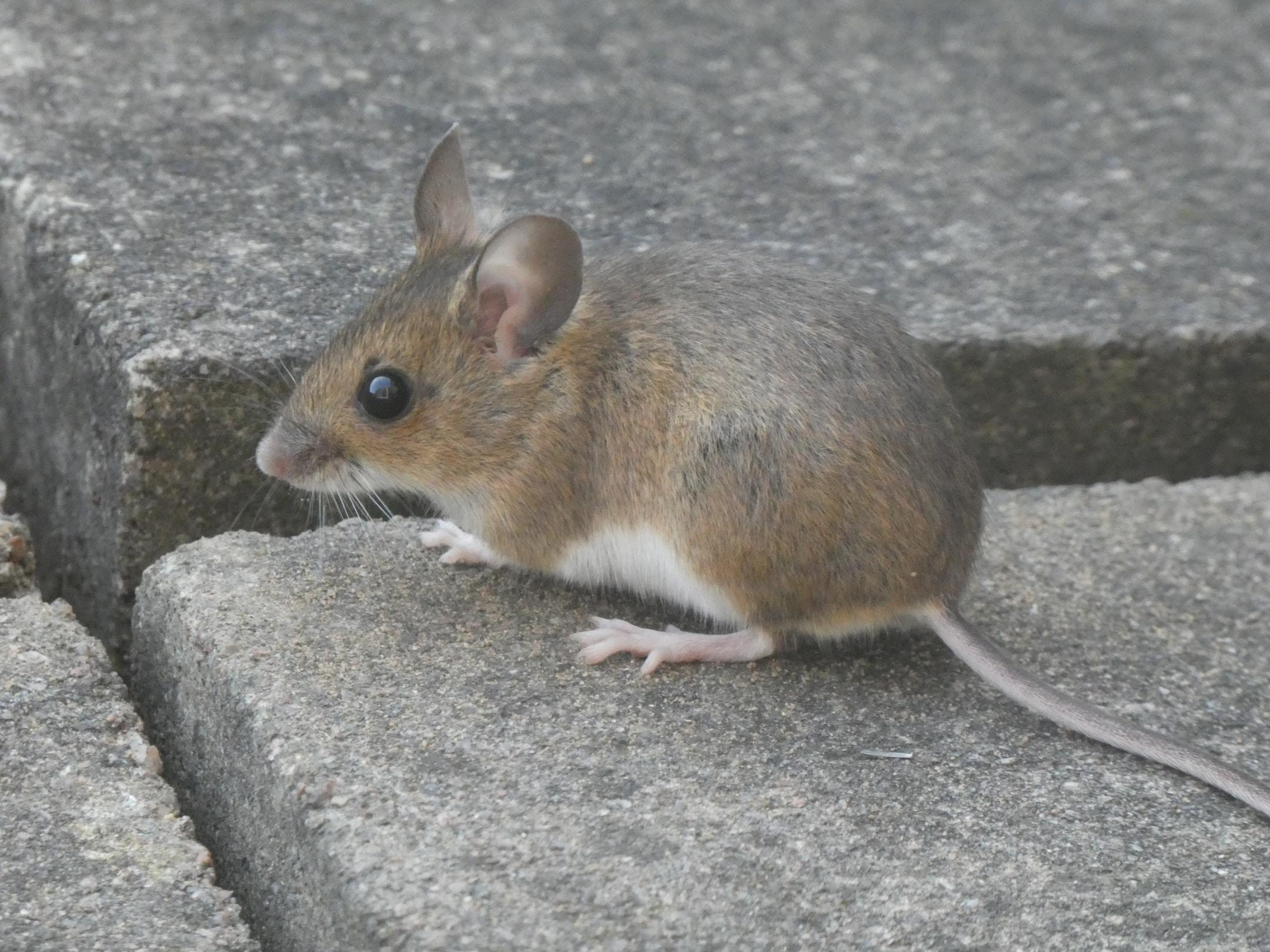
Discovering a mouse nest in your house can be unsettling and, more importantly, a potential health hazard. Not only do hidden corners in your home provide a breeding ground for mice, your unwelcome guests can cause damage to your property and pose a risk of spreading diseases.
This guide will walk you through step-by-step instructions and provide expert tips from mouse control experts to help you successfully identify and deal with mouse nests in your house.
Why Is It a Big Deal to Find a Mouse Nest in Your House?
Mouse infestations can be a common problem in many households, and one of its major indicators is the presence of a mouse nest. By identifying and locating a mouse nest ASAP, you can take necessary measures to eliminate the infestation and prevent further damage to your house and belongings. Early detection reduces cleanup costs and limits contamination.
A mouse nest is a safe haven for mice to breed and multiply. The nests are often constructed in hidden and hard-to-reach areas, such as behind walls, in attics, or in crawl spaces, making them difficult to spot. Nests are typically loose balls about four to six inches across made from shredded paper, fabric, and insulation. How do you find a mouse nest in your house? By following these guidelines, you can safeguard your home against mice and ensure the well-being of your family.
How to Effectively Locate a Mouse Nest at Home
To effectively locate a mouse nest in your house, your approach must be thorough and systematic. Follow these step-by-step instructions to maximize your chances of finding the elusive nesting spot of these pesky creatures.
- Start by inspecting areas with signs of mouse activity, such as droppings, chewed materials, or gnaw marks. Fresh droppings are dark and soft, older droppings appear dry and lighter. These areas often serve as good starting points for your search. Use disposable gloves and a flashlight to carefully examine corners, dark spaces, and hidden nooks where mice may have built their nests. A headlamp frees your hands during tight inspections.
- Next, pay close attention to areas more likely to provide shelter and warmth for the mice. Check behind appliances, inside cabinets and drawers, under furniture, and in the attic or basement. Follow walls since mice prefer to travel along edges that provide cover. Mice tend to gravitate towards these protected areas for nesting.
- As you search, keep an eye out for materials mice commonly use to construct nests. This may include shredded paper, fabric, insulation materials, or even organic matter. These materials are often packed together in a nest shape and can provide excellent clues for locating the nesting area. Look for scattered shreds that did not make it into the nest.
- In addition to visual inspections, listen for any scratching or rustling sounds that may indicate a nearby mouse nest. Mice are nocturnal creatures and are often more active during the night. Take advantage of the quiet hours to carefully tune in to any unusual sounds that could lead you to their nesting spot.
Techniques to Successfully Prevent Mouse Infestations
When it comes to dealing with mouse nests in your house, prevention is vital. By making your home less inviting to these pesky rodents, you can save yourself the trouble of locating and dealing with their nests.
One practical tip is to seal off any potential entry points. Mice can squeeze through even the tiniest gaps, so inspect your walls, windows, doors, and foundation for any cracks or openings. Use caulk or weatherstripping to seal them off and prevent mice from finding their way in. Add fine metal mesh to weep holes and utility penetrations where needed.
Additionally, keeping your house clean and free from food sources can also deter mice from entering. Store food in airtight containers and clean up crumbs or spills promptly to eliminate tempting opportunities for mice to nest in your home. Secure pet food and bird seed in sealed bins.
Still Unsure? Look Out For These Telltale Signs
- Chewing – Mice are notorious for their chewing habits, and by inspecting your home for chewed wiring, insulation, or furniture, you may be able to pinpoint the location of their nest. Tooth marks on food boxes and gnawed baseboard edges are common.
- Smell – Follow the odor. Mice have a distinct musky smell, and if you notice a concentrated odor in a specific area of your house, it could indicate the presence of a nest nearby. Ammonia-like scent often builds up in enclosed cabinets and attics.
- Trails – Mice tend to leave trails of droppings as they move around, so carefully inspecting areas with higher mouse activity, such as near food sources or dark corners, can help you locate their nest. Faint rub marks or grease smears can appear where mice brush along walls.
Wear gloves and take proper precautions while searching for a nest, as mouse droppings can carry harmful bacteria. Once you’ve located the nest, take immediate action to remove it and address any other mouse-related issues in your house.
Mouse Control Services You Can Trust
If you’ve spotted signs of nesting, bring in a team that handles the full process with care. Best Pest & Wildlife Control combines humane removal, expert exclusion, and attic/crawlspace restoration to address the problem at the source. With 15+ years of experience across the Western United States, we locate nests, seal entry points, sanitize contaminated areas, and replace damaged insulation for lasting relief.
Get a free home inspection and a custom plan that protects your family and property. Call today and let specialists restore comfort and peace of mind.
CONTACT US FOR A FREE QUOTE
Feel free to give us a call or send us an email with any questions or comments you have.