- SPECIAL DISCOUNT
- 10% OFF on Full Home Recommendations + Free Consultation
- Excludes insulation services
- Contact Us
- Must mention at the time of booking

8 Signs Of A Possum Infestation In Your Attic
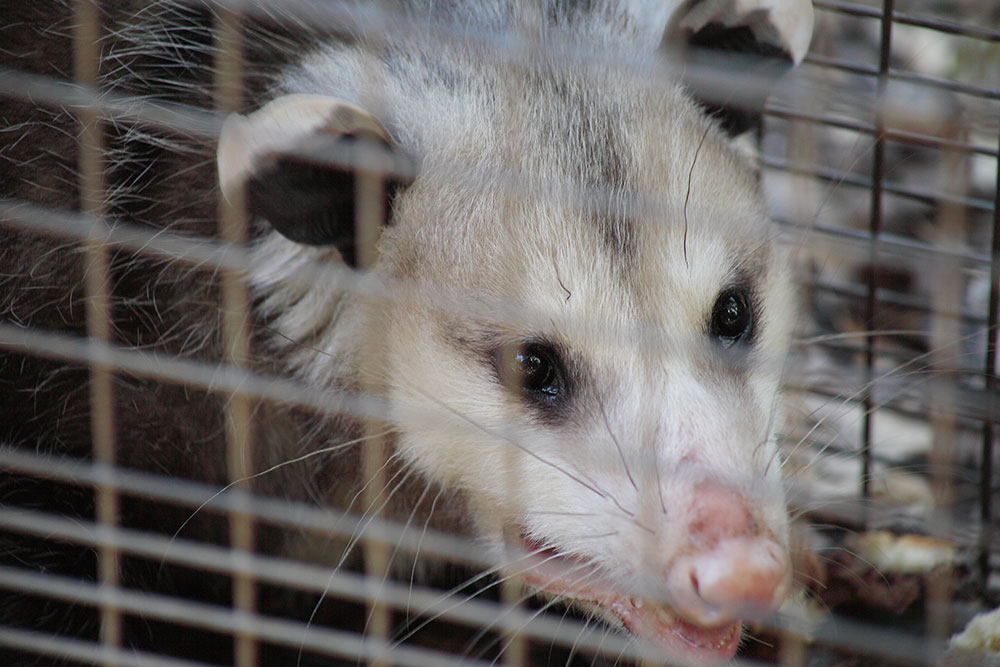
Hearing movement above your ceiling late at night can make your home feel very different. What used to feel quiet and safe suddenly feels uncertain. If you’ve been dealing with strange sounds or odd smells, it may be time to look closer at the signs of possum in attic spaces. These animals are not subtle once they settle in, and the longer they stay, the more noticeable the impact becomes.
Possums are larger than most attic intruders. They don’t move quietly, and they don’t keep to one corner. They explore, nest, and return to the same areas repeatedly. That combination makes their presence easier to detect if you know what to look for. The key is catching the signs early before the situation grows into a bigger and more expensive problem.
At Best Pest & Wildlife Control, we specialize in humane, full-home wildlife removal and long-term exclusion, helping homeowners identify possum activity early and fully resolve the problem with thorough inspection, cleanup, and prevention.
Heavy Noises That Follow a Pattern
One of the first things homeowners notice is sound, but not just any sound. Possums are nocturnal, so their activity lines up with nighttime hours. Just as the house settles down, the noise begins.
Instead of faint scratching, you’ll hear something with weight behind it. It might sound like slow footsteps moving across the ceiling, or a dragging noise as the animal shifts through insulation. Sometimes there is a dull thud as it changes direction or climbs over beams. These sounds tend to repeat night after night, often following the same path.
That consistency is what separates a possum from smaller pests. It feels less like random noise and more like something living above you.
A Lingering, Unpleasant Smell
Another sign that tends to build over time is odor. At first, it may be faint and easy to ignore. Then it starts to linger. Eventually, it becomes something you notice as soon as you walk into certain rooms.
Possums leave waste wherever they spend time, and in an enclosed space like an attic, that smell has nowhere to go. It seeps into insulation, wood, and even the air circulating through your home. Many homeowners describe it as a mix of ammonia and damp decay.
What makes this sign tricky is that it doesn’t go away on its own. Even if the possum leaves, the odor can remain, especially if the contamination has spread through insulation.
Disturbed and Flattened Insulation
If you were to look inside your attic after a possum has been active, the insulation would rarely look untouched. These animals don’t just walk across it. They push through it, press it down, and rearrange it to create space for nesting.
Over time, this leaves visible trails where the material has been compressed or shifted aside. Instead of a consistent layer, you’ll see uneven patches and flattened areas. This not only affects the attic visually but also impacts how well your home holds temperature.
The longer the activity continues, the more widespread the damage becomes. If this kind of damage is present, it may be time to consider professional insulation removal and installation services to restore proper coverage and performance.
Pest cleanup and remediation services can help restore your attic’s efficiency and protection after this kind of damage.
Nesting Areas Hidden in Quiet Corners
Possums are drawn to spaces where they feel protected. In an attic, that often means corners, areas near insulation buildup, or spots close to entry points.
Their nests are not always neat or easy to spot. They tend to look like loosely gathered piles of insulation, debris, or materials brought in from outside. Over time, these areas become more defined as the possum returns to rest there regularly.
If you notice one section of your attic that looks more disturbed than the rest, it may be serving as a nesting area.
Entry Points That Show Signs of Use
Possums don’t appear inside your attic by accident. They find openings and use them repeatedly. These entry points are often along the roofline, near vents, or around soffits.
The opening might seem small or insignificant at first but with repeated use, it becomes more noticeable. Edges may look worn, slightly widened, or disturbed. In some cases, you might even see marks where the animal has pushed its way through.
Once an entry point is established, it becomes an easy access route not just for one possum, but for others as well.
Droppings That Build Up Over Time
Unlike smaller rodents that scatter droppings in many places, possums tend to leave waste in areas where they spend the most time. This often means you’ll find accumulation near nesting spots or along frequently used paths.
The droppings themselves are larger and more noticeable. Over time, the buildup becomes harder to ignore, especially when paired with odor. Even if you don’t see it directly, the presence of waste contributes to the overall condition of the attic.
This is one of the signs that indicates the possum has been there for more than just a short visit.
Subtle Marks Along Movement Paths
As possums move through your attic, they follow familiar routes. These repeated movements can leave behind faint but telling signs.
You might notice slight smudges along beams or areas where insulation has been pushed aside in the same direction. These paths develop over time and show how often the animal is moving through the space.
It’s not always obvious at first, but once you notice the pattern, it becomes clear that the activity is ongoing.
Pets Acting Differently at Night
Sometimes the first reaction to an attic intruder comes from pets. Dogs and cats are often more aware of subtle sounds and scents.
A dog might sit alert, staring at the ceiling, or bark at a specific spot repeatedly. A cat may become fixated on an area, watching and listening for movement. These behaviors often happen at night, when the possum is most active.
While pets don’t confirm the type of animal, they do signal that something is happening above.
Fix the Problem at Its Source
At Best Pest & Wildlife Control, we take a full-solution approach that goes beyond removal and focuses on restoring your home and preventing future issues.
Our team starts with a detailed inspection to locate entry points and activity zones. We handle humane removal, seal openings, and repair the areas that allowed access in the first place. We also provide attic cleanup, sanitation, and insulation removal and replacement when contamination is present.
We proudly serve homeowners across Colorado, Arizona, California, and New Mexico with reliable, long-term wildlife solutions. Schedule your free inspection today and fix the problem at its source.
CONTACT US FOR A FREE QUOTE
Feel free to give us a call or send us an email with any questions or comments you have.