- SPECIAL DISCOUNT
- 10% OFF on Full Home Recommendations + Free Consultation
- Excludes insulation services
- Contact Us
- Must mention at the time of booking

7 Signs Your House Might Be Suffering From Structural Damage
A house often whispers before it screams. Long before walls give way or floors fail, subtle hints begin to appear in corners, ceilings, and even the yard outside.
Structures rarely shift without an underlying cause. In many cases, that cause involves unwanted wildlife or pest activity quietly weakening the home over time.
Paying attention to these signals can save money, stress, and sleepless nights. Below are seven signs that suggest structural damage to your house.
Cracks That Keep Growing
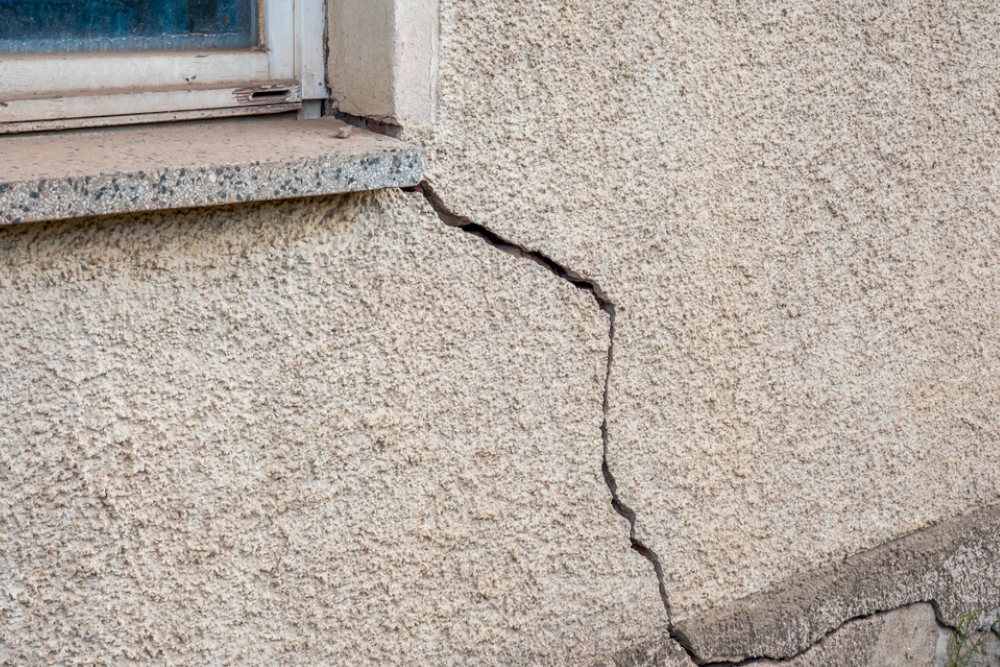
Hairline cracks can show up in any home, especially as materials settle over time. Trouble starts when cracks widen, lengthen, or multiply. Vertical cracks along drywall seams can point to shifting, while diagonal cracks near doors or windows often signal foundation movement.
Wildlife activity can speed up this process. Burrowing beneath the structure or repeated entry near the foundation can disrupt soil stability. In addition, pests that introduce moisture into wall cavities weaken materials, allowing cracks to expand more rapidly. Stair-step cracking along brick or block walls often reflects uneven pressure below the surface, which can be intensified by disturbed soil or prolonged moisture exposure.
Fresh paint may hide them temporarily, but the underlying movement continues.
Doors and Windows That Refuse to Behave
When doors stick, swing open on their own, or scrape the floor, it is easy to blame humidity. Windows that suddenly jam or leave gaps can feel like minor annoyances.
When several openings behave this way at once, the issue is often structural. Wildlife nesting in attics, walls, or crawl spaces can introduce moisture and weight that affects framing alignment. Over time, insulation displacement and airflow changes can cause wood components to shift, leading to misaligned doors and windows.
These small frustrations often signal broader movement within the structure.
Wildlife or Pest Infestations
Unwanted animals and insects often signal deeper issues within a structure. Rodents, raccoons, and insects exploit gaps, weakened materials, and moisture-rich spaces. Their presence may point to compromised siding, damaged rooflines, or shifting foundations.
Beyond noise and nuisance, wildlife activity can worsen structural wear. Chewing, burrowing, and nesting place added stress on framing, insulation, and support systems. In some cases, infestations draw attention to damage that might otherwise remain hidden. A wildlife and pest removal service can help address the source of the problem and limit further damage.
Sloping or Bouncy Floors
Floors should feel steady underfoot. A gentle slope across a room or a springy feeling with each step can point to weakened supports below.
In crawl spaces, wildlife activity can quietly undermine floor stability. Repeated movement, insulation displacement, and moisture introduced through entry points can affect joists over time. As supports lose strength, floors above may begin to dip or feel uneven.
Furniture and rugs may hide the problem, but the underlying cause continues if left unresolved.
Gaps Where Walls Meet Ceilings or Floors
Clean lines between walls, ceilings, and floors rarely change without cause. When gaps appear or trim pulls away, the structure may be shifting.
Wildlife frequently contributes to this movement by expanding access points over time. Those returning to the same areas can weaken surrounding materials, allowing subtle shifts to travel through the framing. Crown molding that no longer sits flush or baseboards that appear lifted often reflect ongoing internal movement.
Moisture Marks and Persistent Dampness
Water leaves clues. Stains on ceilings, peeling paint, or a musty smell suggest moisture that refuses to leave. Over time, dampness weakens wood and corrodes metal fasteners.
Wildlife commonly creates these moisture pathways. Torn vent covers, disturbed roof edges, and compromised crawl space barriers allow humidity and water to enter protected areas. Over time, damp conditions weaken wood and fasteners while also encouraging further pest activity.
Basements and crawl spaces deserve special attention, as repeated intrusion can keep these areas vulnerable year-round.
Crumbling Foundation or Exterior Walls
The foundation carries the weight of everything above it. Signs like flaking concrete, bulging walls, or visible gaps around the base of the house suggest pressure and movement.
Burrowing wildlife can contribute to soil displacement around the foundation, increasing uneven stress. Outside, cracked or bowed brickwork often mirrors changes happening inside the structure. Heavy rain can worsen these conditions when entry points allow water to flow where it should not.
Listening to the House Before It Shouts
Structural damage rarely arrives overnight. It develops through small changes that gather momentum. Wildlife and pests often accelerate this process by exploiting existing weaknesses and returning repeatedly to the same areas.
Ignoring early signs allows issues to compound, turning manageable repairs into extensive projects. Walking through your home with a careful eye — from attic to crawl space — can reveal patterns that daily routines overlook.
When Structural Concerns Involve More Than Wood and Concrete
Some forms of structural damage start with unwanted guests. At Best Pest & Wildlife, we focus on removing the animals and pests that quietly worsen hidden problems inside walls, attics, and crawl spaces. Serving Arizona, California, Colorado, and New Mexico, our team handles wildlife removal, exclusion service, and pest control with a sharp eye for the damage these intruders leave behind.
We do not just chase pests out. We help block their return and point out areas where your home may need attention. If scratching sounds, droppings, or repeat infestations are part of your story, it may be time to bring in professionals who understand how pests and structure intersect. Reach out to us to learn more.
CONTACT US FOR A FREE QUOTE
Feel free to give us a call or send us an email with any questions or comments you have.