- SPECIAL DISCOUNT
- 10% OFF on Full Home Recommendations + Free Consultation
- Excludes insulation services
- Contact Us
- Must mention at the time of booking

6 Colorado Raccoon Diseases That Can Affect Humans
Quick Summary
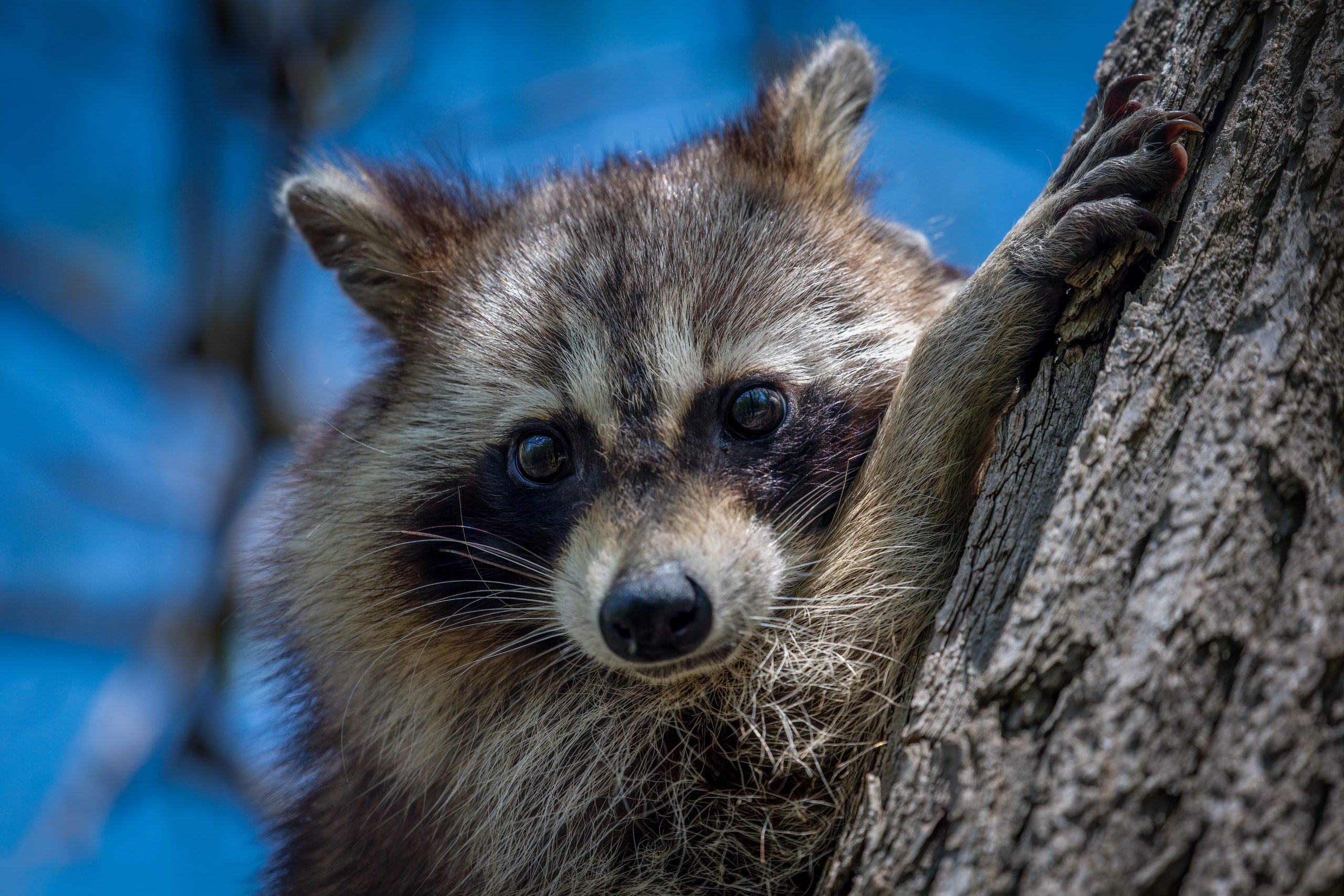
Raccoons are a common sight across Colorado, but they can bring more problems than overturned trash cans and attic noise. When raccoons spend time around a property, they may leave behind waste, parasites, and contamination that can create health concerns. Understanding the risks can help homeowners know when it’s time to take action.
Most Colorado homeowners don’t think about diseases when they see a raccoon in the neighborhood. They think about the trash can that got knocked over last night, the scratching sounds coming from the attic, or the animal they spotted running across the roof after dark.
While raccoons are fascinating animals, they are still wild animals. When they move too close to people, the situation can become more complicated. In addition to property damage, there are several raccoon diseases transmitted to humans that wildlife removal services in Colorado watch for when dealing with infestations.
The good news is that serious illness from raccoons is relatively uncommon. The bigger issue is often what raccoons leave behind. Their droppings, urine, nesting materials, and parasites can remain in attics, crawl spaces, garages, and yards long after the animals are gone.
Raccoon Roundworm
One of the most discussed diseases associated with raccoons is raccoon roundworm, caused by a parasite known as Baylisascaris procyonis.
The parasite is commonly found in raccoon droppings. Eggs can accumulate in areas where raccoons repeatedly use the same location as a latrine. Over time, these contaminated areas may pose risks if people accidentally come into contact with infected material.
While human infections are uncommon, the condition can be serious when it occurs. This is one reason wildlife professionals often recommend proper cleanup and sanitization after raccoon infestations.
Areas such as attics, crawl spaces, decks, and yards may require special attention if raccoon activity has been present.
Leptospirosis
Leptospirosis is a bacterial disease that can affect both animals and humans.
The bacteria are commonly spread through urine from infected animals. Raccoons are among the wildlife species capable of carrying and spreading the disease.
People may become exposed through contact with contaminated soil, standing water, or surfaces. Outdoor areas where raccoons frequently travel or nest may become sources of contamination.
Symptoms in humans can vary widely and often resemble common illnesses, which can make diagnosis difficult without medical evaluation.
Salmonellosis
Salmonella bacteria are frequently associated with food contamination, but wildlife can also contribute to environmental exposure.
Raccoons often forage through trash containers, pet feeding stations, and outdoor gathering areas. As they move through these environments, they can spread bacteria through their waste.
While salmonella infections linked directly to raccoons are not among the most common sources of illness, the possibility highlights the importance of sanitation when wildlife activity occurs near homes.
Keeping outdoor areas clean and addressing infestations promptly can help reduce opportunities for contamination.
Rabies
Rabies is one of the most widely recognized wildlife diseases.
Although raccoons are considered potential carriers, not every raccoon has rabies. In fact, infected animals represent a small percentage of overall raccoon populations.
However, because rabies affects the nervous system and can be fatal if untreated, raccoon control services in Colorado take all potential exposures seriously.
Signs that may indicate an infected raccoon include:
- Unusual aggression
- Lack of fear around people
- Difficulty walking
- Disorientation
- Excessive drooling
If a raccoon behaves abnormally or appears sick, direct contact should be avoided and wildlife professionals should be contacted.
Giardiasis
Giardiasis is an intestinal illness caused by microscopic parasites.
Raccoons and other wildlife species may carry Giardia and contribute to environmental contamination through their waste.
Exposure can occur when contaminated water or surfaces are encountered. While the disease is often associated with untreated water sources, wildlife activity can play a role in spreading the parasite within certain environments.
This risk further demonstrates why raccoon droppings should never be handled casually.
Flea and Tick-Related Diseases
Sometimes the greatest health concern is not the raccoon itself but the parasites it carries.
Raccoons can host fleas and ticks that may later spread to pets or surrounding environments. These parasites are capable of carrying various disease-causing organisms depending on the region and local wildlife populations.
Potential concerns include:
- Tick-borne illnesses
- Secondary infestations
- Skin irritation
- Parasite exposure for pets
Professional wildlife removal often includes evaluating parasite-related concerns after raccoons are removed from the property.
How Raccoon Waste Creates Additional Risks
Many homeowners focus on the animals themselves while overlooking the impact of the waste they leave behind.
Raccoon droppings can accumulate quickly in attics, crawl spaces, garages, sheds, and outdoor areas. Over time, these materials may contribute to odor problems, contamination concerns, and sanitation issues.
In addition, nesting materials may contain parasites and debris that continue to affect the environment long after raccoons are gone.
For this reason, professional cleanup is often recommended following a raccoon infestation in Colorado.
How Wildlife Professionals Help Protect Homes
Professional raccoon control focuses on more than animal removal.
Wildlife specialists often inspect the property, identify access points, remove animals, recommend exclusion improvements, and address contamination left behind.
Depending on the situation, services may include:
- Raccoon removal
- Entry-point repairs
- Exclusion work
- Waste cleanup
- Sanitization
- Attic or crawl space remediation
By addressing both the infestation and its aftermath, professionals help homeowners protect their properties over the long term.
Don’t Wait Until Raccoons Turn a Small Problem into a Major Cleanup Project
At Best Pest & Wildlife Control, we help homeowners throughout Colorado, Arizona, and California handle raccoon problems before they lead to larger property and sanitation issues. Our team provides humane raccoon removal, detailed inspections, entry-point detection, exclusion work, cleanup services, and long-term prevention strategies designed around your specific property.
If raccoons have been living in your attic, crawl space, roofline, or other areas of the home, we can also help address contamination, damaged insulation, and affected materials left behind. We believe wildlife problems should be solved at the source, not temporarily covered up.
Contact Best Pest & Wildlife Control today to schedule your free home inspection and consultation.
FAQs
Can raccoons spread diseases directly to people?
Direct transmission is possible in certain situations, but many risks are associated with contaminated waste, parasites, or environmental exposure rather than direct contact.
Are raccoon diseases common in Colorado?
Most people will never become sick from a raccoon encounter. However, raccoons can carry diseases and parasites that wildlife professionals take seriously when evaluating infestations.
Should raccoon droppings be removed professionally?
In many cases, professional cleanup is recommended because droppings may contain parasites, bacteria, and other contaminants that require proper handling and disposal.
CONTACT US FOR A FREE QUOTE
Feel free to give us a call or send us an email with any questions or comments you have.